






Introduction: Why Chinese New Year Is More Than a Festival
Chinese New Year, also known as Lunar New Year or the Spring Festival, is the most important traditional celebration in Chinese culture and one of the most widely observed festivals in the world. Celebrated by more than one-sixth of the global population, it marks not just the beginning of a new year, but a complete cultural reset—socially, emotionally, and symbolically.
Unlike Western New Year, which lasts a single night, Chinese New Year unfolds over 15 days, combining rituals, family reunions, ancestral remembrance, spiritual cleansing, and public celebration. Its influence extends far beyond China, shaping cultural identity, economic activity, travel patterns, and emotional life across Asia and in global Chinese communities.
What Is Chinese New Year and Why the Date Changes Every Year
Chinese New Year is based on the Chinese lunisolar calendar, which combines the cycles of the moon and the sun. The festival begins on the new moon between January 21 and February 20, meaning the date changes every year on the Gregorian calendar.
This calendar system was developed thousands of years ago to align agricultural activity with seasonal changes. As a result, Chinese New Year historically marked:
- The end of winter
- The start of spring
- A new agricultural cycle
- A spiritual and social renewal
Because it follows lunar cycles, Chinese New Year is deeply connected to nature, time, and cosmic rhythm, rather than fixed civil dates.
Chinese New Year 2026: The Year of the Horse and Its Significance
Chinese New Year 2026 marks the beginning of the Year of the Horse according to the Chinese zodiac. The Horse is the seventh animal in the 12-year zodiac cycle and is traditionally associated with energy, freedom, movement, and independence. In Chinese culture, the Horse symbolizes progress, strength, and the ability to move forward despite obstacles.
What the Horse Represents in Chinese Astrology
People born in the Year of the Horse are believed to be:
- Energetic and hardworking
- Independent thinkers
- Adventurous and freedom-loving
- Confident, expressive, and action-oriented
The Horse is also linked with travel, migration, and change, which aligns closely with the massive movement of people seen every year during the Chinese New Year travel season.
Why the Year of the Horse Is Considered Powerful
In traditional belief systems, Horse years are often associated with:
- Rapid change and momentum
- Bold decisions and risk-taking
- Social movement and transformation
- Economic activity and innovation
Historically, Horse years are viewed as periods when people feel compelled to break routines, pursue new paths, relocate, or challenge existing structures. This makes the Year of the Horse especially significant in times of global or personal transition.
Cultural Beliefs and Social Impact of Horse Years
In Chinese society, zodiac years influence real-life decisions. During Horse years:
- Some people delay major commitments like marriage, believing the year favors independence
- Businesses prepare for higher activity and volatility
- Travel, entrepreneurship, and career changes are more common
Unlike Dragon years, which are seen as universally auspicious, Horse years are considered dynamic rather than stable — rewarding courage and adaptability rather than caution.
The Horse in the Context of Chinese New Year Traditions
During Horse years, New Year decorations, performances, and art often feature:
- Images of horses in motion
- Symbols of speed and strength
- Themes of forward movement and resilience
Lion and dragon dances during such years emphasize power and rhythm, reflecting the Horse’s energetic spirit.
What the Year of the Horse Symbolically Means for People
On a personal level, the Year of the Horse is believed to encourage people to:
- Let go of stagnation
- Take responsibility for their direction
- Embrace independence and self-belief
- Prepare for faster-paced changes
This belief makes the Year of the Horse particularly meaningful for individuals reassessing careers, relationships, or long-term goals.
Why This Matters in a Chinese New Year Context
Chinese New Year is about reset and renewal, and the Year of the Horse amplifies that theme by emphasizing movement over waiting. It reinforces the idea that progress comes through action, courage, and momentum rather than hesitation.
ALSO READ – MAHASHIVRATRI: POWER, SIGNIFICANCE, HISTORY AND SCIENCE BEHIND IT
Historical Origins of Chinese New Year
Early Agricultural Roots
The earliest origins of Chinese New Year can be traced back over 3,000 years to ancient agrarian societies during the Shang and Zhou dynasties. Farmers held seasonal ceremonies to pray for rain, fertile soil, and protection from natural disasters.
These rituals gradually evolved into an annual celebration marking survival through winter and hope for abundance in the coming year.
Myth of Nian: Fear, Protection, and Symbolism
One of the most enduring legends associated with Chinese New Year is the myth of Nian, a mythical beast said to emerge at the end of the year to attack villages, livestock, and crops.
According to legend, villagers discovered that Nian feared:
- Loud noises
- Fire
- Bright lights
- The color red
This story explains many of the festival’s traditions:
- Firecrackers and fireworks
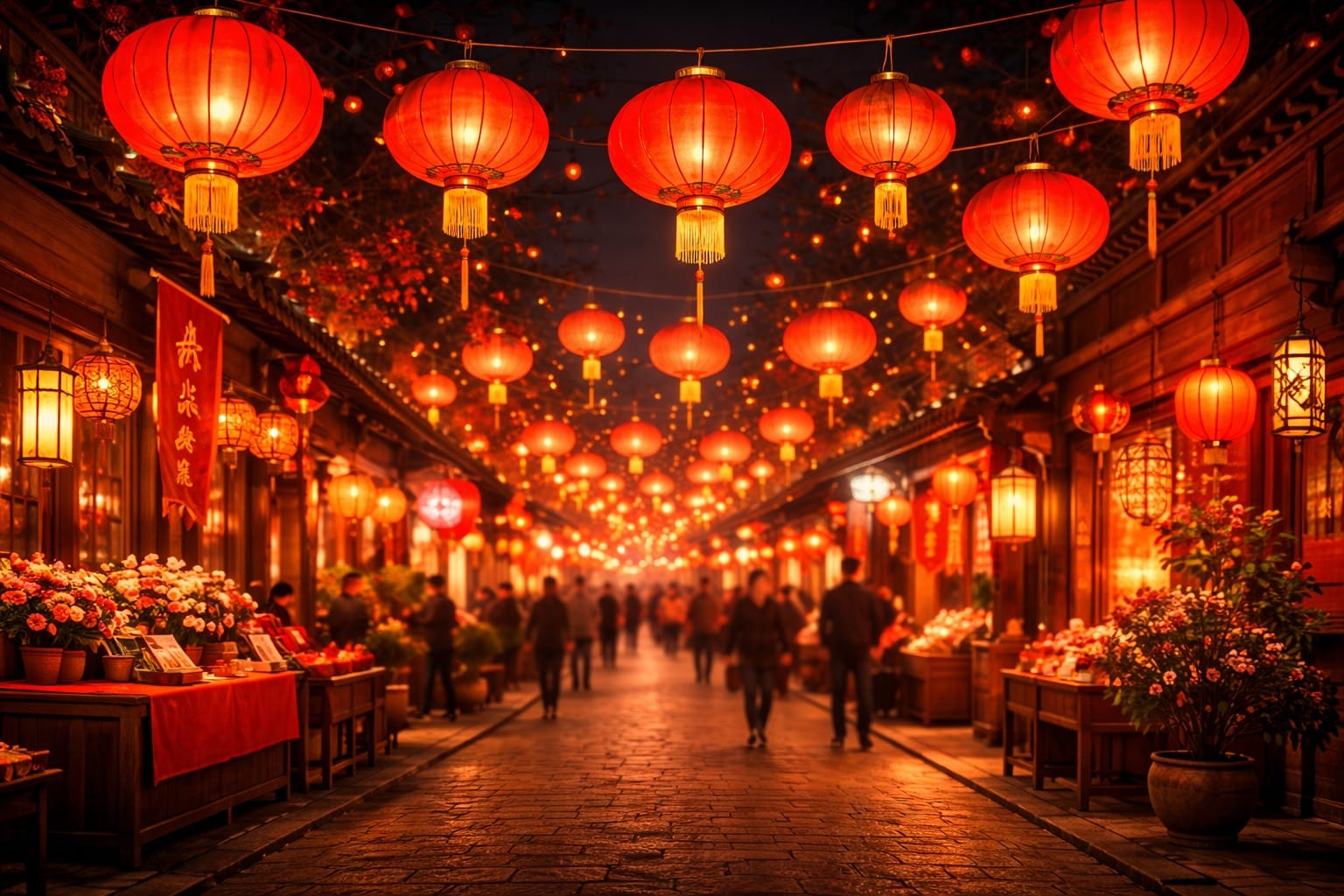
- Red lanterns and decorations
- Red clothing and banners
Symbolically, Nian represents chaos, fear, and hardship, while the festival represents humanity’s ability to protect itself through unity, preparation, and tradition.
Evolution Through Chinese Dynasties
Over centuries, Chinese New Year absorbed influences from:
- Confucianism (family hierarchy, filial piety)
- Daoism (harmony with nature)
- Buddhism (reflection, renewal, compassion)
By the Han dynasty, Chinese New Year had become a family-centric festival, emphasising:
- Respect for elders
- Ancestral worship
- Moral renewal
- Social harmony
These values remain central today.
The Chinese Zodiac System Explained
A defining feature of Chinese New Year is the Chinese zodiac, a repeating 12-year cycle, with each year represented by an animal:
Rat, Ox, Tiger, Rabbit, Dragon, Snake, Horse, Goat, Monkey, Rooster, Dog, Pig
Each animal is associated with:
- Personality traits
- Behavioural tendencies
- Symbolic strengths and weaknesses
The zodiac is not used for fortune-telling alone; it influences:
- Naming traditions
- Marriage compatibility
- Career decisions
- Cultural identity
The Five Elements and 60-Year Cycle
Beyond animals, Chinese astrology includes five elements:
- Wood
- Fire
- Earth
- Metal
- Water
Each zodiac year combines an animal with an element, creating a 60-year cycle. This means a specific year (e.g., Fire Horse) occurs only once every 60 years, giving it special cultural significance.
Prominent Zodiac Years and Their Cultural Impact
Year of the Dragon
- Symbol of power, leadership, and prosperity
- Often associated with baby booms
- Considered extremely auspicious
Year of the Tiger
- Associated with courage and unpredictability
- Seen as a year of change and upheaval
Year of the Horse
- Represents freedom, movement, ambition
- Historically associated with social change and restlessness
- Fire Horse years are considered intense and transformative
Chinese New Year Traditions Explained in Detail
1. Deep Cleaning Before the New Year
Homes are thoroughly cleaned before New Year’s Eve to:
- Remove bad luck
- Clear stagnant energy
- Prepare for new beginnings
Cleaning is avoided during the festival itself to prevent “sweeping away” good fortune.
2. Reunion Dinner: Emotional Core of the Festival
The New Year’s Eve reunion dinner is the most important meal of the year. It represents:
- Family unity
- Gratitude
- Continuity across generations
Even migrant workers and overseas families make extraordinary efforts to return home for this meal.
3. Symbolic Foods and Their Meanings
Food plays a central symbolic role:
- Dumplings: Wealth and prosperity
- Fish: Surplus and abundance
- Noodles: Longevity
- Sticky rice cakes: Growth and progress
Meals are carefully chosen for their meanings, not just taste.
4. Red Envelopes (Hongbao)
Money is given in red envelopes to:
- Children
- Young adults
- Unmarried individuals
The gesture symbolises:
- Blessings
- Protection
- Passing good fortune forward
5. Fireworks and Public Celebrations
Fireworks are believed to:
- Drive away evil spirits
- Mark a powerful beginning
- Create collective joy
In modern cities, they are often regulated, but their symbolic importance remains strong.
The 15 Days of Chinese New Year: What Happens When
Each day has traditional significance:
- Day 1: Welcome the new year
- Day 2: Visit maternal family
- Days 3–4: Ancestral offerings
- Days 5–7: Business reopening
- Day 15: Lantern Festival (closure and celebration)
This structure turns the festival into a gradual transition, not an abrupt reset.
The Lantern Festival: Spiritual Closure
The festival ends with the Lantern Festival, marked by:
- Lantern displays
- Riddles
- Family outings
- Full moon symbolism
It represents illumination, hope, and unity.
Impact on People: Emotional, Social, and Psychological
Family and Belonging
For many, Chinese New Year is the only time they reunite with extended family. It reinforces:
- Identity
- Belonging
- Emotional continuity
Pressure and Expectations
At the same time, the festival can bring:
- Social pressure (marriage, career)
- Financial stress
- Emotional reflection
This dual nature makes it deeply human and complex.
Economic and Travel Impact
Chinese New Year triggers:
- The world’s largest annual human migration
- Massive consumer spending
- Business shutdowns and restarts
- Tourism booms
It reshapes national rhythms for weeks.
Chinese New Year Outside China
The festival is widely celebrated in:
- Southeast Asia
- East Asia
- North America
- Europe
- Australia
Cities host parades, festivals, and cultural showcases, turning it into a global cultural event.
Why Chinese New Year Still Matters Today
In a fast, digital world, Chinese New Year remains powerful because it:
- Slows time
- Centres family
- Encourages reflection
- Honors continuity
It is not just about luck — it is about renewal, memory, and human connection.
Conclusion: A Living Tradition, Not a Relic
Chinese New Year is not frozen in the past. It evolves with society while preserving its core values. It reminds people that time is cyclical, life renews itself, and community matters.
That is why, after thousands of years, it still shapes how millions of people think, feel, travel, spend, and reconnect.
Subscribe to our YouTube Channel The Logic Stick for more video insights