







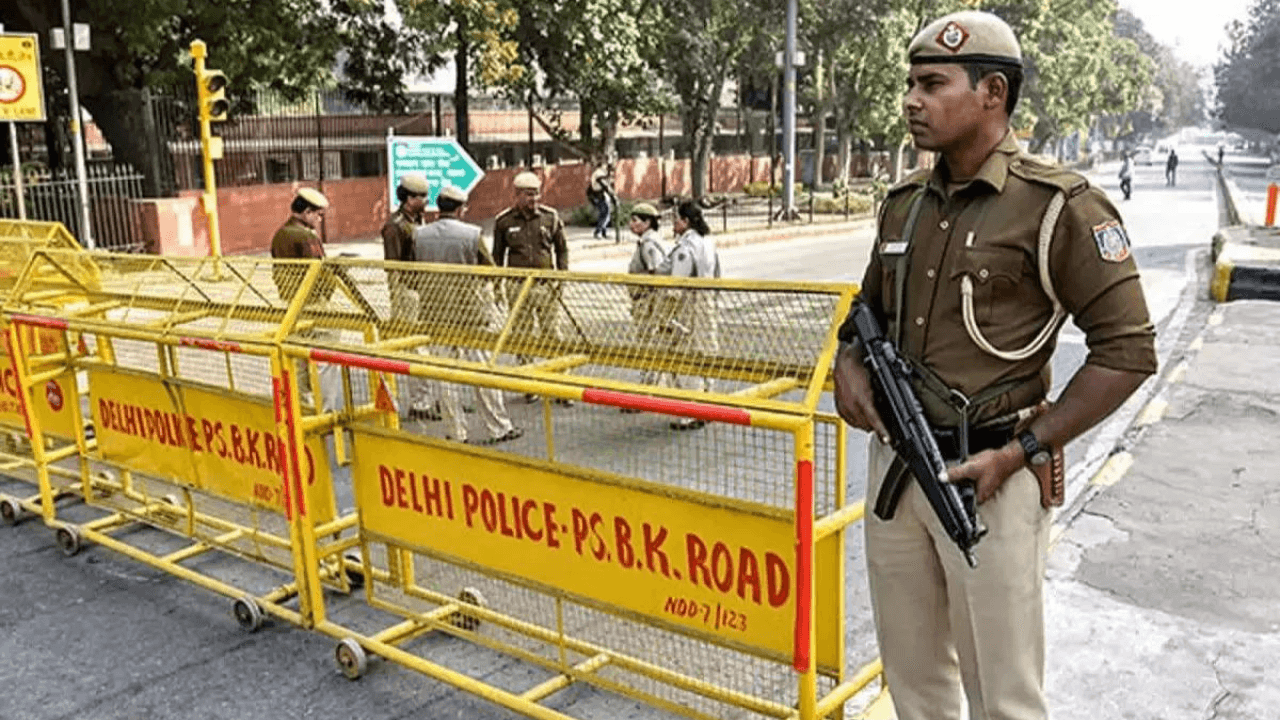
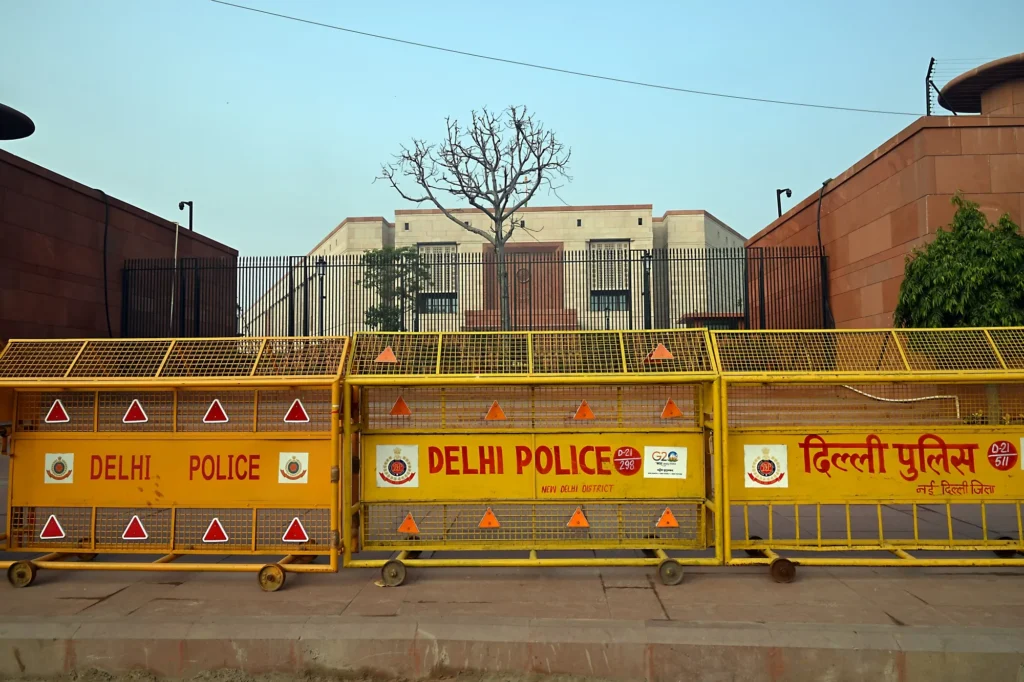
Delhi Assembly bomb threat email ahead of budget raises serious security concerns in India’s capital.
Introduction
In a shocking development that triggered panic across the national capital, the Delhi Legislative Assembly received bomb threat emails on the morning of March 24, 2026—just hours before the highly anticipated Delhi Budget presentation. The threat, reportedly linked to extremist messaging and referencing a Khalistan agenda, has once again raised serious concerns about the growing trend of hoax threats targeting critical infrastructure in India.
The incident led to an immediate security lockdown around the Delhi Assembly complex, deployment of bomb squads, and heightened surveillance across key government and public locations. While investigations are still underway, the episode highlights the evolving nature of cyber-enabled threats and the vulnerability of high-profile institutions.
Also Read : India’s Biggest Power Upgrade Yet ??
What Happened: Timeline of the Delhi Assembly Bomb Threat
According to official reports, two separate threatening emails were sent on the morning of March 24:
- The first email was received at around 7:28 AM on the Assembly’s official email ID
- A second email followed at 7:49 AM, directly targeting Speaker Vijender Gupta
The emails warned of a possible bomb attack on the Delhi Assembly building and also mentioned the nearby Vidhan Sabha Metro Station as a potential target.
This timing was particularly alarming as it coincided with the day of the Delhi Budget presentation, a high-security and politically sensitive event attended by top officials.
Threat Details: Khalistan Angle and High-Profile Targets
What made the situation even more serious was the nature and content of the threat email.
- The email allegedly referenced a “Khalistan referendum”
- A group identifying itself as the “Khalistani National Army” was mentioned
- Several high-profile leaders were named, including:
- Prime Minister Narendra Modi
- Home Minister Amit Shah
- External Affairs Minister S. Jaishankar
- Delhi CM and LG officials
The message reportedly contained provocative language and warnings urging leaders to “protect themselves,” signaling a possible attempt to create psychological fear and political disruption.
Immediate Response: Security Lockdown in Delhi
Following the alert, authorities acted swiftly:
- Delhi Police and Bomb Disposal Squads were deployed immediately
- Dog squads conducted extensive checks across the Assembly premises
- Security was intensified around:
- Government buildings
- Metro stations
- Public infrastructure
Officials confirmed that investigations are ongoing to trace the origin of the email, with cybercrime units playing a key role.
At the time of reporting, no explosives had been found, but authorities are treating the threat with utmost seriousness.
Pattern of Rising Bomb Threat Emails in India
This is not an isolated incident. Over the past few months, India—especially Delhi—has witnessed a sharp rise in bomb threat emails targeting public institutions.
Recent Similar Incidents:
- Multiple schools in Delhi received bomb threats earlier this year, triggering evacuations and panic
- Delhi Secretariat and Assembly also received similar emails in February 2026
- Threat emails targeting Red Fort, schools, and Metro stations were reported just weeks ago
Even state assemblies are not immune:
- Gujarat Assembly received a similar threat during its budget session, later confirmed as a hoax
This growing trend suggests a coordinated pattern of cyber threats aimed at disrupting governance and public confidence.
Checkout our youtube channel for more insights.
Are These Threats Real or Hoaxes?
In most recent cases, including school threats and assembly alerts, investigations have found no explosives, indicating that many of these emails are hoaxes.
However, authorities cannot afford complacency.
Why These Threats Are Taken Seriously:
- Potential for Real Attacks
India has a history of terror attacks preceded by warning emails, including the 2008 Delhi blasts. - Psychological Impact
Even hoax threats cause:- Panic among citizens
- Disruption of public services
- Economic and administrative delays
- Security Protocols Must Be Followed
Every threat triggers full-scale emergency response, making it resource-intensive.
Cyber Terrorism and Email Threats: A Growing Concern
The Delhi Assembly bomb threat reflects a broader issue—the rise of cyber-enabled terror tactics.
Key Characteristics:
- Use of anonymous email services
- IP masking and international routing
- Targeting multiple locations simultaneously
In earlier cases, investigations revealed that some threat emails were traced to foreign IP addresses, indicating possible international involvement or proxy networks.
This makes detection and prevention significantly more complex.
Security Measures in Delhi After the Threat
Following the March 2026 incident, authorities have reportedly:
- Increased surveillance in high-security zones
- Strengthened cyber monitoring systems
- Enhanced coordination between:
- Delhi Police
- Intelligence agencies
- National Investigation Agency (NIA)
Additionally, security protocols for public events and government sessions are being reviewed.
Impact on Delhi Budget Session
Despite the scare, authorities ensured that the budget presentation proceeded under tight security.
However, the incident:
- Highlighted vulnerabilities in pre-event security checks
- Raised concerns about timing of threats during key political events
- Added pressure on security agencies to prevent future disruptions
Public Reaction and Political Response
Such incidents often lead to:
- Public anxiety about safety in urban areas
- Criticism of security preparedness
- Calls for stricter cybercrime laws
Political leaders across parties have condemned such threats, emphasizing the need for strong action against perpetrators.
Why These Threats Are Increasing in India
Experts believe several factors contribute to the rise in such incidents:
1. Ease of Digital Anonymity
Anyone can send emails using encrypted or masked identities.
2. Low Risk, High Impact
Even hoax threats:
- Gain media attention
- Disrupt major events
- Create nationwide panic
3. Extremist Messaging
Some threats are used to spread propaganda or revive separatist narratives.
Challenges for Security Agencies
Authorities face multiple challenges:
- Tracking anonymous senders across borders
- Differentiating real threats from hoaxes
- Managing public panic while maintaining transparency
The Delhi Assembly case shows that cyber intelligence is now as critical as physical security.
The Bigger Picture: National Security Implications
Repeated bomb threats, even if false, indicate:
- A shift toward psychological warfare
- Attempts to destabilize governance systems
- Growing misuse of digital platforms for terror messaging
India’s security agencies must adapt to this evolving threat landscape by:
- Strengthening cyber forensics
- Enhancing real-time intelligence sharing
- Increasing public awareness
Conclusion
The Delhi Assembly bomb threat email incident ahead of the 2026 budget presentation is more than just a security scare—it is a reflection of changing threat dynamics in modern India. While no explosives were found and the situation was brought under control, the psychological and administrative impact of such threats cannot be ignored.
As India continues to digitize and modernize, the challenge of dealing with cyber-enabled threats will only grow. The need of the hour is a robust combination of cyber intelligence, rapid response systems, and public vigilance.
For now, the capital remains on high alert—but the bigger question remains:
Are these just hoaxes, or warnings of a more complex security challenge ahead?