






Google Lyria 3 Pro AI Model That Can Generate 3-Minute Tracks Is Set to Disrupt the Music Industry
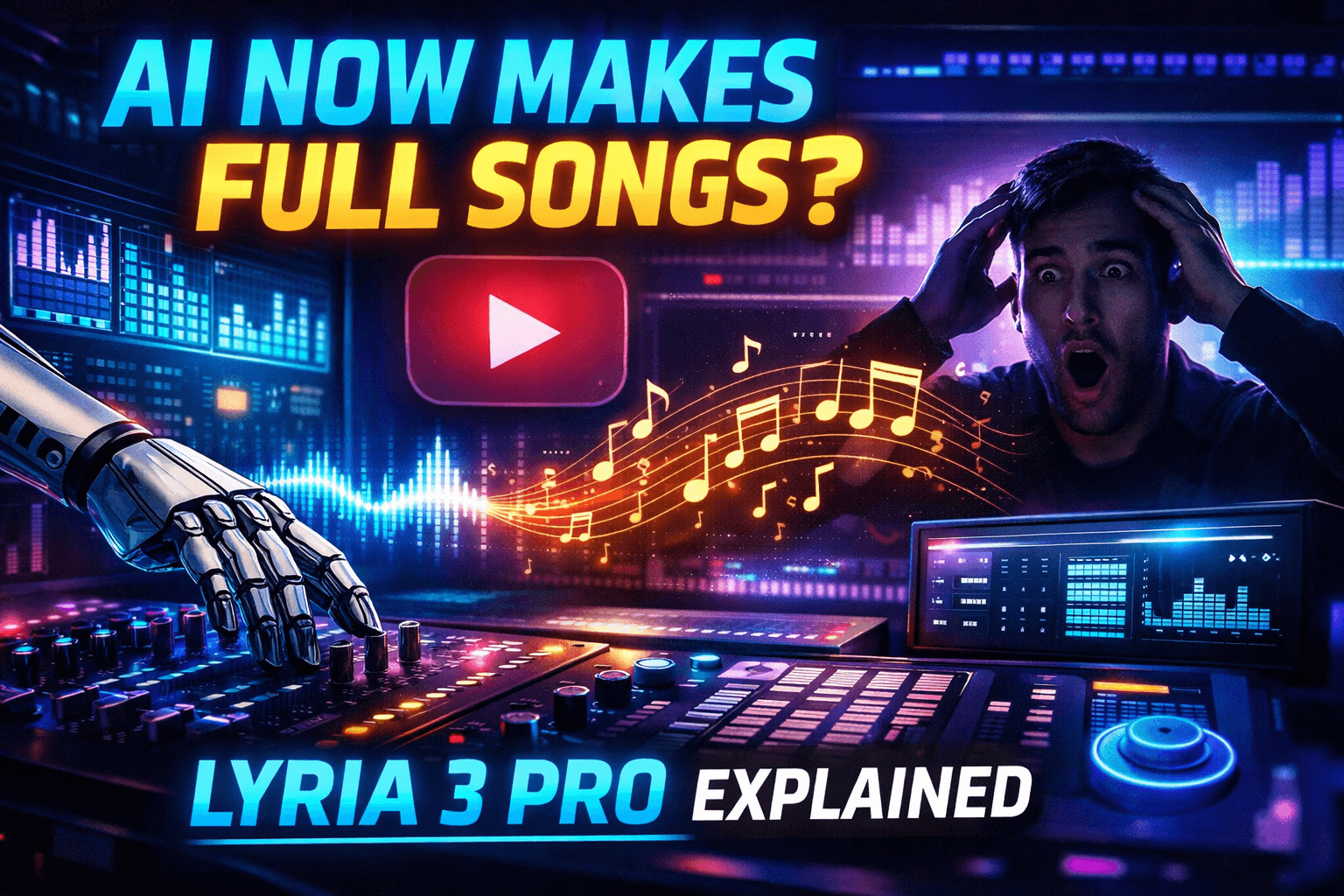
The race to dominate AI-generated music has just taken a massive leap forward. With the launch of the Google Lyria 3 Pro AI model that can generate 3-minute tracks, Google has signaled its intent to redefine how music is created, consumed, and monetized in the digital age.
This move is not just a technological upgrade—it is a direct challenge to platforms like Epidemic Sound and other royalty-free music providers that have long served content creators globally. With the ability to generate full-length, structured songs using AI, Google is entering a space that could potentially reshape the economics of music licensing and creative production.
What is Google Lyria 3 Pro AI Model That Can Generate 3-Minute Tracks?
The Google Lyria 3 Pro AI model that can generate 3-minute tracks is the latest advancement in Google’s AI-powered music generation ecosystem. Developed under Google DeepMind, this model represents a significant upgrade over its predecessor, Lyria 3.
Previously, Lyria 3 could only generate 30-second clips, which were useful for short-form content or experimental music creation. However, Lyria 3 Pro expands this capability dramatically, allowing users to create complete songs up to three minutes long.
This transition from short snippets to full compositions marks a turning point. It means AI is no longer just assisting music creation—it is now capable of producing complete, structured musical narratives.
Read more on the Transgender Amendment Bill 2026 India.
Key Features of Google Lyria 3 Pro AI Model That Can Generate 3-Minute Tracks
1. Full-Length Track Generation
One of the most significant upgrades is the ability to create tracks up to three minutes long. This enables creators to generate complete songs rather than fragments, making the tool far more practical for real-world applications like YouTube videos, podcasts, and marketing campaigns.
2. Structural Awareness
Google has introduced what it calls “structural awareness”, allowing the AI to understand and build songs with components like:
- Intros
- Verses
- Choruses
- Bridges
This ensures that the output feels more like human-composed music rather than random audio sequences.
3. Advanced Customization
Users can now input detailed prompts specifying:
- Genre (pop, funk, electronic, etc.)
- Mood (sad, energetic, cinematic)
- Instruments
- Tempo and rhythm
This level of control allows creators to align music precisely with their content vision.
4. Multimodal Input Capabilities
Beyond text prompts, Lyria 3 Pro supports:
- Image-to-music generation
- Video-based inspiration
This means creators can upload visuals and generate music that matches the tone and aesthetics of their content.
5. Realistic Vocals and Lyrics
The model can generate:
- Expressive vocals
- Time-aligned lyrics
- Multi-language outputs
This makes it suitable for global creators and brands looking for localized content.
Integration Across Google Ecosystem
The Google Lyria 3 Pro AI model that can generate 3-minute tracks is not a standalone tool. It is deeply integrated into Google’s broader AI ecosystem, including:
- Gemini (AI assistant)
- Vertex AI (enterprise solutions)
- Google AI Studio (developer tools)
- Google Vids (video creation platform)
This integration allows users to create music directly within workflows—without needing external tools or software.
For example, a content creator editing a video in Google Vids can instantly generate a custom soundtrack tailored to the visuals.
Why Google Lyria 3 Pro Is a Threat to Epidemic Sound
The headline “Watch out Epidemic Sound” is not just clickbait—it reflects a real shift in the market.
Traditional Model: Epidemic Sound
Platforms like Epidemic Sound operate on a subscription-based licensing model, offering access to thousands of pre-created tracks for creators.
New Model: AI-Generated Music
Google’s approach flips this entirely:
- No need to browse libraries
- No licensing complexity
- Fully customized music on demand
This could disrupt the entire royalty-free music industry by eliminating the need for pre-produced catalogs.
Use Cases of Google Lyria 3 Pro AI Model That Can Generate 3-Minute Tracks
1. Content Creation
YouTubers, vloggers, and influencers can generate:
- Background scores
- Theme music
- Custom intros/outros
2. Marketing & Advertising
Brands can create:
- Personalized ad music
- Campaign-specific soundtracks
- Region-specific audio content
3. Gaming Industry
Gaming companies can generate:
- Dynamic soundtracks
- Adaptive background music
- Scalable audio assets
Google is already positioning Lyria 3 Pro for such use cases through Vertex AI.
4. Podcasts and Tutorials
Podcasters can easily generate:
- Intro music
- Ambient background tracks
- Segment transitions
Ethical Concerns and Copyright Issues
With great power comes serious concerns.
1. Copyright and Training Data
Google has not fully disclosed how Lyria 3 Pro was trained. However, it claims the model uses data it has legal rights to under agreements and terms of service.
2. Artist Impersonation
To address concerns, Google states:
- The model does not mimic specific artists
- Prompts referencing artists are treated as “broad inspiration”
3. AI Watermarking
All generated tracks include SynthID watermarks, making it possible to identify AI-generated audio.
These safeguards are crucial as AI music tools face increasing scrutiny from the music industry.
Comparison: Lyria 3 vs Lyria 3 Pro
| Feature | Lyria 3 | Lyria 3 Pro |
|---|---|---|
| Track Length | Up to 30 seconds | Up to 3 minutes |
| Structure | Basic | Full song structure |
| Customization | Limited | Advanced |
| Use Case | Social clips | Full productions |
| Integration | Gemini | Gemini + Vertex AI + Vids |
This upgrade clearly positions Lyria 3 Pro as a professional-grade tool, rather than just an experimental feature.
Impact on the Future of Music
The Google Lyria 3 Pro AI model that can generate 3-minute tracks is more than just a product—it’s a signal of where the music industry is headed.
Democratization of Music Creation
Anyone can now create high-quality music without:
- Musical training
- Expensive equipment
- Studio access
Shift in Music Economics
- Reduced reliance on licensing platforms
- Potential decline in stock music demand
- Rise of AI-generated content marketplaces
New Creative Possibilities
Creators can:
- Experiment with genres instantly
- Produce music tailored to emotions or visuals
- Scale content production like never before
Challenges Ahead
Despite its potential, Lyria 3 Pro faces several challenges:
1. Industry Pushback
Musicians and rights holders may oppose AI tools that could reduce demand for human-created music.
2. Legal Regulations
Governments may introduce stricter regulations on:
- AI-generated content
- Copyright ownership
- Monetization rights
3. Quality vs Authenticity Debate
While AI can generate technically perfect music, the question remains:
Can it truly replicate human emotion and originality?
Final Thoughts
The launch of the Google Lyria 3 Pro AI model that can generate 3-minute tracks marks a defining moment in the evolution of AI and music.
What started as a tool for generating short clips has now evolved into a platform capable of producing full-length, studio-quality compositions. With deep integration across Google’s ecosystem and powerful customization features, Lyria 3 Pro is poised to become a game-changer for creators, businesses, and developers alike.
However, as with any disruptive technology, it brings both opportunity and controversy. From copyright concerns to industry disruption, the road ahead will be complex.
One thing is certain—AI is no longer just assisting creativity.
It is creating it.