







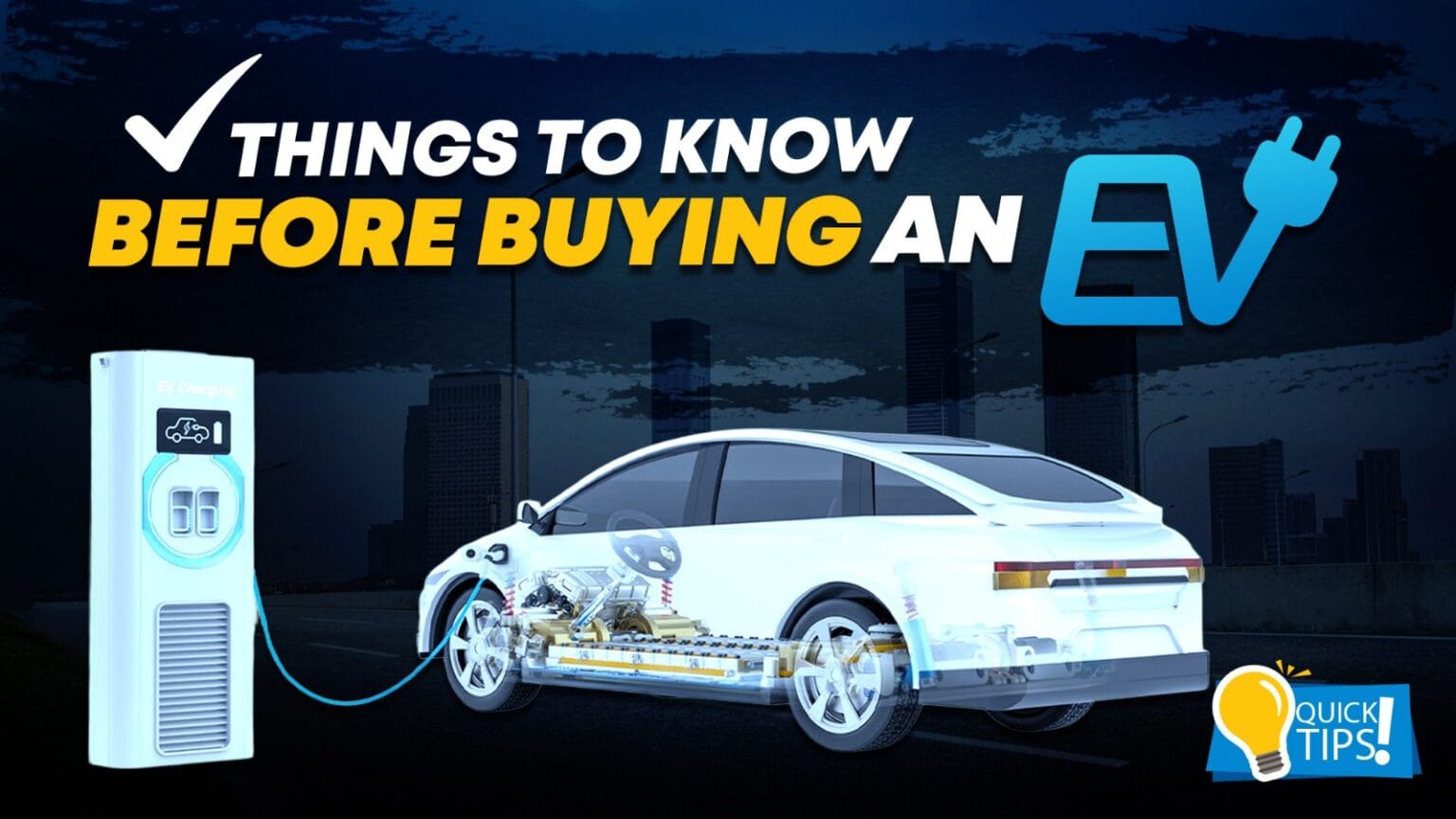
EV Car (Electric vehicles) are rapidly taking over the Indian automobile conversation. Government subsidies, rising fuel prices, increasing environmental awareness, and the new-age charm of silent, futuristic cars are pushing more people to consider EVs as their next purchase. On social media and advertisements, EVs are sold as the inevitable future.
But there is one crucial aspect that very few buyers think about — resale value.
And this single factor could mean losing lakhs of rupees within just a few years.
If you’re planning to buy an electric car, this article might save you from a costly mistake.
EV Car Resale Value — The Uncomfortable Reality
Let’s start with something shocking:
While a petrol or diesel car typically depreciates 20% in two years, an electric car in India can lose up to 42% of its value in the same period.
In simple words —
A ₹15 lakh EV purchased today might sell for just ₹8–9 lakh after two years.
The excitement of low running cost often hides the long-term financial risk of value depreciation. And unlike traditional cars, the reason for such steep depreciation is not just age — it is technology and battery-trust uncertainty.
Why Do Electric Cars Depreciate Faster?
EV depreciation is influenced by a unique set of challenges. Let’s break down the major reasons.
1. The Battery Makes Up 30–40% of the Car’s Cost
In an electric car, the battery is not just a part — it is the heart and the most expensive component. In many models, one-third of the total price is just the battery pack.
That creates a problem when selling a used EV.
A buyer doesn’t know how the car was charged, how often it fast-charged, how high the temperature conditions were, or whether the battery has degraded internally.
Unlike an ICE car where an engine can be inspected physically or through performance, battery health is harder to judge without specialised diagnostics. Because of this lack of transparency, buyers hesitate before purchasing a used EV and heavily negotiate the price downward.
Also read – Reverse Mortgage Scheme Explained for Safe Retirement of Senior Citizens
2. New EV Models Become Outdated Faster
EV technology is evolving aggressively.
Two years ago, an EV with 250 km range sounded impressive. Today, many cars claim over 450–550 km.
This rapid improvement makes older models unattractive in the resale market. A buyer thinks:
Why buy a 2-year-old EV with 250 km range when a new one offers double?
And that is true.
Just like smartphones, electric cars are moving through generations fast. With every update, older EVs lose demand and value.
3. Lack of a Transparent Battery Health Standard
In ICE cars, a mechanic can check engine condition, compression, wear and tear. But for EVs, battery health depends on:
- Charging cycles
- Depth of discharge
- Temperature exposure
- Fast charging habits
- Storage patterns
Currently, most buyers have no way to verify battery health accurately.
Some OEMs offer internal diagnostics, but there is no universal third-party certification.
As long as battery health remains a grey area, used EVs will struggle to retain strong resale value.
4. Consumer Mindset and Fear of Battery Replacement Costs
Replacing an EV battery is expensive.
In many cases, ₹3 to ₹6 lakh or more, depending on vehicle class.
Even if a battery lasts 7–10 years, the possibility of degradation makes buyers nervous. This fear alone reduces demand in the used market — and lower demand means lower price.
Planning to Buy an EV? Ask These Questions First
Buying an EV is not wrong — but buying it blindly is.
If you’re considering a new electric car, here are the mandatory questions every smart buyer must ask.
1. What is the Duration of the Battery Warranty?
Aim for at least 8–10 years, ideally 15 years if offered.
Why?
Because battery life equals car life. A longer warranty signals confidence from the manufacturer and improves resale value. A short warranty increases fear and reduces buyer interest.
Many brands now offer high warranties:
- Some models offer 8-year battery coverage
- A few are moving towards 10–15 year extended warranty structures
But here is the catch:
Most warranties apply only to the first owner.
So you must ask:
Will the battery warranty transfer to the second owner? If yes, how much of it?
This one question alone can affect future resale value dramatically.
2. Is Battery-as-a-Service (BaaS) Available?
This is a brilliant solution many buyers don’t know about.
Battery-as-a-Service means:
- You buy the car without the battery
- You pay monthly or per-km cost to the company
- The battery remains the company’s responsibility
In some models, the running cost may be around ₹2–3 per km.
The advantage?
Resale becomes easier.
Since the battery is not owned by the customer, the risk of degradation is carried by the manufacturer — which makes second-hand buyers more confident.
If your EV brand offers BaaS, consider it seriously.
3. Buying a Used EV? Only Buy Certified Pre-Owned
If you want a second-hand EV, choose an OEM-certified pre-owned car only.
Why?
Because certified pre-owned EVs usually come with:
- Battery health report
- State of Health (SoH) percentage
- Service history validation
- Warranty extension possibilities
A healthy EV battery should ideally degrade about 2% per year.
If you see abnormal deterioration, avoid the purchase.
How to Maximize Resale Value if You Already Own an EV
You can slow depreciation with smart ownership habits.
Maintain battery health by:
- Avoiding frequent fast charging
- Not letting battery drop below 10% regularly
- Not constantly charging to 100% unless needed
- Parking in moderate temperature
- Driving smoothly to reduce stress
Also, document everything:
- Service history
- Charging station logs
- Battery reports
- Warranty papers
A well-maintained EV with records sells better — just like a serviced petrol car does.
Is EV Resale Value Hopeless? No — It Will Improve With Time
Today’s challenge is temporary, not permanent. As the EV ecosystem strengthens, resale conditions will naturally evolve.
What will change in the future?
- Battery certification standards will emerge
Buyers will trust used EVs more once health reporting becomes uniform and transparent. - Technology will mature and stabilise
Once range improvement plateaus, older EVs won’t feel obsolete as quickly. - Battery costs will reduce
Lower replacement cost = higher resale confidence. - Used EV market will grow
As more EVs enter the system, demand and pricing will balance. - More BaaS and buy-back programs may launch
Manufacturers may begin offering resale guarantees or exchange schemes.
We are in the early innings of EV adoption. Resale weakness is a natural phase — just like smartphones and LED TVs faced in early years.
Should You Buy an EV Today? The Honest Answer
Buy an EV if:
- You drive mostly within city range
- You want low running cost
- You have home charging access
- You plan to keep the car long-term
- You prioritize environment + technology experience
Think twice if:
- You frequently drive long distances
- You plan to resell the car within 2-5 years
- You don’t have dedicated charging space
- You expect resale value similar to petrol/diesel
The key is awareness — not fear.
Buy an EV smartly, not emotionally.
Final Conclusion
Electric vehicles represent the future of transportation. But like every new technology, the early phase comes with depreciation challenges, especially when resale depends heavily on battery life and market perception.
If you understand resale dynamics, question manufacturers smartly, choose models with strong warranty transfer policies, consider battery-service options, and maintain battery health carefully — an EV can be one of the most rewarding purchases you make.
Before you buy an EV — ask the right questions.
Because technology is exciting… but financial awareness is power.
EVCars #ElectricVehiclesIndia #EVResaleValue #EVBattery #CarBuyingGuide #ElectricCars #EV2025 #AutomobileIndia #SustainableMobility #EVFuture