






Iran Israel War March 25 2026 Live Updates: No Ceasefire Yet as Iran Continues Retaliation Despite US Pause
The Iran Israel War March 25 2026 Live Updates highlight a rapidly evolving and highly volatile geopolitical crisis that continues to shake the foundations of global stability. While there are growing discussions around ceasefire and de-escalation, ground reality tells a very different story—the war is still active, tensions are escalating, and military actions continue across multiple fronts.
This report provides a comprehensive, SEO-driven breakdown of the latest developments, including the US military pause, Iran’s continued retaliation, and the absence of any confirmed ceasefire, along with global, economic, and humanitarian implications.
Background: How the Iran Israel War Escalated in 2026
The current conflict began on February 28, 2026, when the United States and Israel launched coordinated airstrikes targeting Iranian nuclear and military facilities. These strikes marked a turning point, shifting the long-standing shadow conflict into a direct and open war.
Iran responded swiftly with ballistic missile attacks and drone warfare, targeting Israeli cities, US military bases, and strategic infrastructure across West Asia. What followed was a chain reaction of escalation, bringing multiple countries into the conflict.
Read more on : Iran – Israel war updates.
Iran Israel War March 25 2026 Live Updates: No Ceasefire Yet, Only Talks and Tensions
One of the most critical aspects of the Iran Israel War March 25 2026 Live Updates is the confusion around a possible ceasefire.
Is There a Ceasefire? The Reality
- There is NO confirmed ceasefire agreement
- Diplomatic talks are ongoing, but no official deal has been reached
- Military operations, though fluctuating in intensity, are still active
This places the war in a “negotiation phase without peace”, where discussions exist—but conflict continues.
US Military Pause vs Iran’s Continued Retaliation
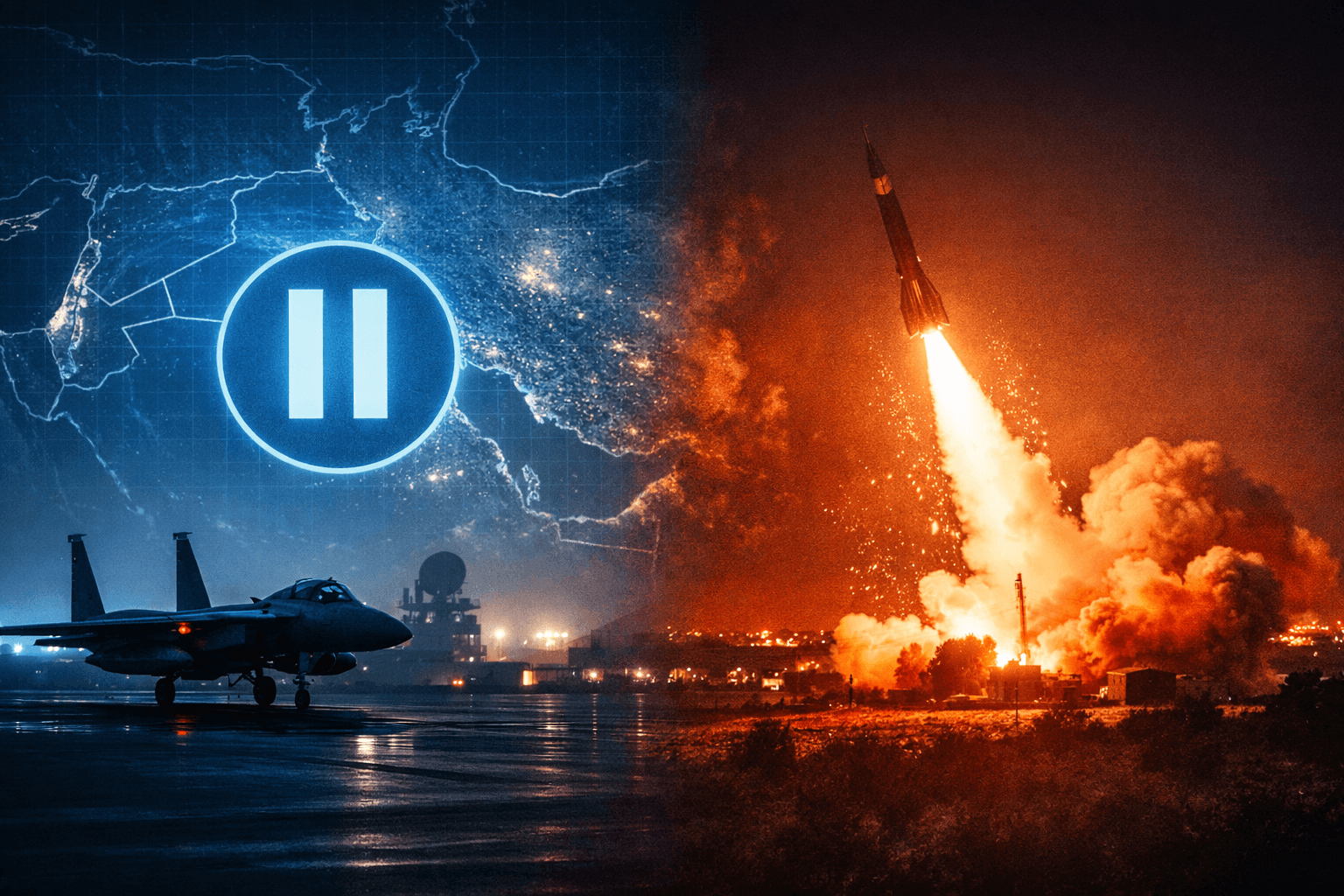
A key development shaping the current situation is the perceived slowdown or pause in US military actions.
What is the US doing?
- The US is reassessing its next strategic moves
- Engaging in backchannel diplomacy and ceasefire discussions
- Maintaining military readiness without fully escalating further
What is Iran doing?
- Iran is continuing missile and drone attacks
- Targeting US bases and allied infrastructure
- Showing no trust in ongoing negotiations
Why is Iran still attacking?
Iran views the US pause as:
- A temporary tactical move, not peace
- A strategic repositioning, not withdrawal
Ground Reality Explained
Even as the US signals restraint, Iran continues retaliation—because the war has not officially stopped.
This has created a dangerous imbalance, where one side is slowing down while the other continues to escalate.
Expansion into a Regional War
The conflict has now spread beyond Iran and Israel, turning into a multi-country crisis:
- Attacks reported on US bases in Bahrain, Kuwait, and Jordan
- Israeli strikes targeting Iranian positions and allied groups
- Involvement of regional proxies such as Hezbollah
This expansion has effectively transformed the conflict into a West Asia-wide war scenario.
Economic Shockwaves: Oil, Markets, and Global Instability
The Iran Israel War March 25 2026 Live Updates have triggered major global economic consequences.
Oil Crisis
- Oil prices surged close to $120 per barrel
- Slight dips observed due to ceasefire hopes, not actual peace
- Supply chains under stress due to Strait of Hormuz tensions
Stock Market Impact
- Billions withdrawn from global markets
- Increased volatility across Asian and Western economies
- Inflation fears rising globally
Supply Chain Disruptions
- Aviation fuel shortages impacting flights
- Trade routes under threat
- Shipping delays increasing costs worldwide
Strait of Hormuz: The Global Pressure Point
Iran’s strategic positioning near the Strait of Hormuz has amplified global concerns.
- Partial control affecting oil transportation
- Increased risk to global energy supply
- Strategic leverage for Iran in negotiations
Any disruption here could trigger a full-scale global energy crisis.
Checkout : Transgender Persons Amendment Bills 2026
Humanitarian Crisis Intensifies
The ongoing conflict has led to severe humanitarian consequences:
- Mass displacement across conflict zones
- Damage to civilian infrastructure
- Rising fear of long-term instability
International organizations have warned that civilian suffering could escalate significantly if the conflict continues.
Global Political Reactions
United States
- Attempting diplomatic intervention
- Avoiding full-scale escalation
- Maintaining military pressure
Europe
- Calling for restraint
- Concerned about energy crisis
India
- Maintaining a neutral and strategic stance
- Monitoring impact on oil imports and citizens in the region
Military Strategy: Modern Warfare at Play
The war is a combination of traditional and modern warfare tactics:
Israel & US Strategy
- Precision airstrikes
- Targeted military infrastructure destruction
Iran’s Strategy
- Drone swarms
- Ballistic missile attacks
- Proxy warfare
This hybrid warfare approach is making the conflict harder to predict and control.
What Happens Next? Possible Scenarios
1. Continued Conflict
- Ongoing retaliation
- No immediate resolution
- Increasing global pressure
2. Temporary Ceasefire
- Possible short-term pause
- Markets may stabilize briefly
3. Full Regional War
- Involvement of more nations
- Severe economic and humanitarian fallout
Key Takeaways: Iran Israel War March 25 2026 Live Updates
- There is no confirmed ceasefire yet
- The US has slowed actions but not withdrawn
- Iran is continuing active retaliation
- The conflict has expanded into a regional crisis
- Global markets and energy systems are under pressure
Conclusion
The Iran Israel War March 25 2026 Live Updates represent a critical moment in global geopolitics. While diplomatic talks suggest hope, the reality on the ground remains tense and active.
The absence of a ceasefire, combined with continued Iranian retaliation despite US restraint, highlights the fragile and unpredictable nature of the situation.
As the world watches closely, the coming days will determine whether this conflict moves toward peace—or deeper into crisis.