






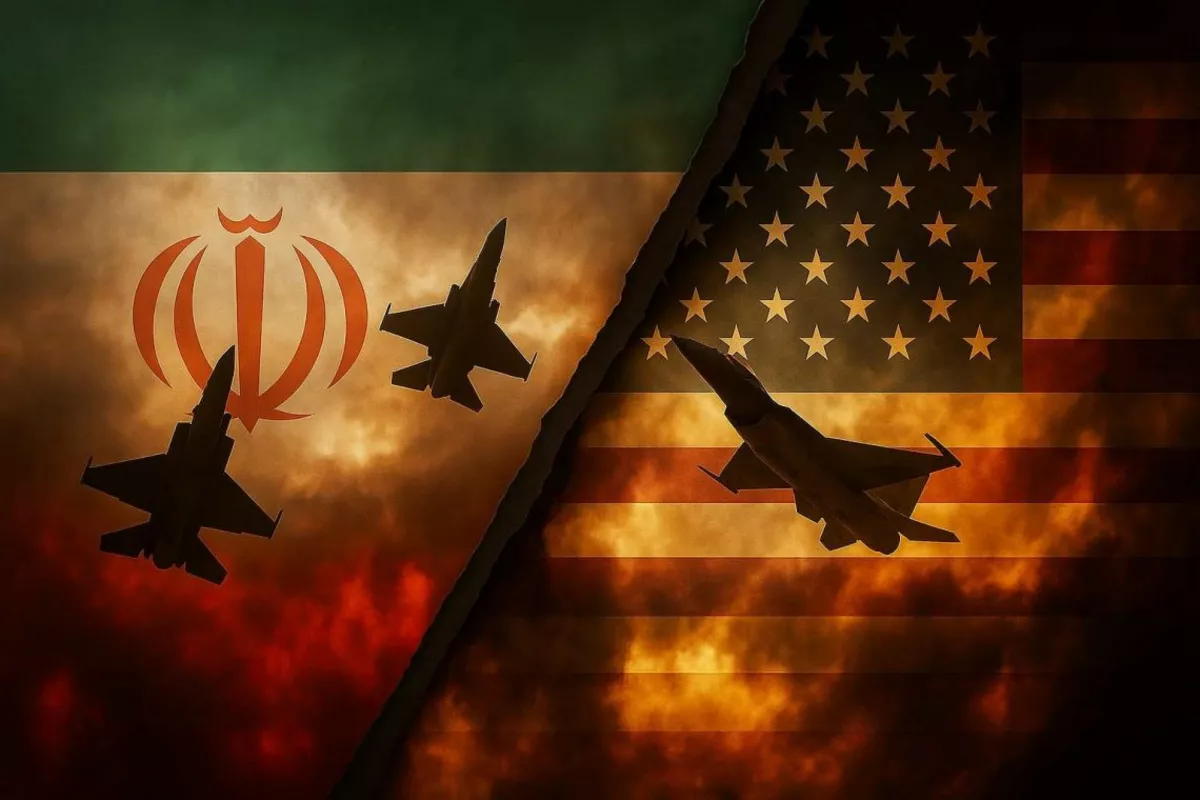
Prepared to Unleash Hell US Warns Iran Tehran Insists on No Talks as Tensions Escalate
Prepared to Unleash Hell US Warns Iran Tehran Insists on No Talks has become the defining headline of the latest geopolitical flashpoint, as tensions between the United States and Iran reach a critical high. The warning, issued by the White House, came even as Iran’s foreign minister Abbas Araghchi reiterated that Tehran remains firm on its stance of “no talks” with Washington. This sharp exchange of statements signals a dangerous escalation, with both nations showing little willingness to step back from confrontation.
The geopolitical tensions between the United States and Iran have once again reached a boiling point, with both sides engaging in aggressive rhetoric and strategic positioning. In a dramatic shift, the United States has warned it is “prepared to unleash hell” if Iran refuses to acknowledge the current geopolitical realities. Meanwhile, Tehran has strongly denied any ongoing negotiations, reinforcing its position of resistance.
This latest development is part of a broader and increasingly volatile Middle East conflict that has captured global attention, disrupted regional stability, and heightened fears of a potential full-scale war. The contradiction between Washington’s claims of diplomacy and Tehran’s outright rejection highlights the fragile and uncertain nature of the current situation.
US Issues Stark Warning to Iran
The United States has taken an aggressive stance, signaling that it is prepared to escalate military action if diplomatic efforts fail. White House Press Secretary Karoline Leavitt delivered a clear and forceful message, warning Iran against miscalculating the situation.
According to official statements, US President Donald Trump “does not bluff” and is ready to take decisive action. The administration emphasized that if Iran refuses to accept what it describes as the “reality of the current moment,” it will face consequences far greater than before.
The phrase “prepared to unleash hell” is not just rhetoric—it reflects a broader military posture that includes sustained operations in the region. Reports suggest that US military campaigns could continue for several weeks, indicating that Washington is prepared for a prolonged engagement rather than a limited strike.
This warning comes amid ongoing tensions that have already seen airstrikes, naval deployments, and increased military presence in key strategic areas such as the Strait of Hormuz.
Iran Rejects Negotiations: “No Talks”
In direct contrast to US claims, Iran has categorically denied that any negotiations are taking place. Iranian Foreign Minister Abbas Araghchi has stated clearly that Tehran does not intend to negotiate with Washington under current circumstances.
He emphasized that Iran’s position is “principled” and that any messages exchanged through intermediaries cannot be considered formal dialogue.
Iran has also framed the US narrative of ongoing talks as an “admission of defeat,” suggesting that Washington is attempting to project diplomacy while continuing military pressure. This strong rejection underscores Tehran’s strategy of resistance rather than compromise, at least in the public domain.
At the same time, reports indicate that Iran may still be reviewing proposals indirectly, but without committing to formal negotiations.
Contradictory Narratives: Talks or No Talks?
One of the most striking aspects of the current crisis is the stark contradiction between the US and Iranian narratives.
- The US claims that talks are ongoing and even “productive.”
- Iran insists that no negotiations have taken place and rejects the idea of dialogue.
This disconnect reflects deeper strategic messaging:
- For the US: Presenting diplomacy helps justify military pressure as a last resort.
- For Iran: Denying talks reinforces domestic strength and resistance against foreign pressure.
This dual narrative creates confusion globally and complicates diplomatic mediation efforts by other nations.
Background: Escalating Conflict in the Middle East
The current tensions are not isolated—they are part of a broader conflict that has been intensifying over the past few months.
Key developments include:
- US-led military strikes on Iranian targets, including strategic infrastructure.
- Iran’s threats to retaliate against US assets and allies in the region.
- Rising tensions involving Israel and other regional players.
- Increased military deployments, including aircraft carriers and advanced weapon systems.
The conflict has already entered its fourth week, with ongoing attacks and counterattacks contributing to instability across the Middle East.
Strategic Importance of the Region
The stakes in this conflict are extraordinarily high due to the strategic importance of the region.
1. Strait of Hormuz
One of the most critical chokepoints in global oil supply, the Strait of Hormuz handles a significant portion of the world’s النفط trade. Any disruption here could send global oil prices soaring.
2. Energy Infrastructure
Recent attacks and threats targeting oil facilities and ports have raised fears of supply disruptions and economic fallout.
3. Regional Alliances
The involvement of countries like Israel, as well as indirect participation from Gulf nations, makes this conflict a potential trigger for a wider regional war.
Military Posturing vs Diplomacy
The current situation highlights a dangerous mix of military escalation and uncertain diplomacy.
US Strategy
- Apply maximum pressure through military strength
- Push for a deal on nuclear and regional issues
- Maintain global perception of control and authority
Iran Strategy
- Resist direct negotiations under pressure
- Use strategic ambiguity in communications
- Strengthen regional alliances and deterrence
This clash of strategies has led to a stalemate, where neither side appears willing to make the first move toward de-escalation.
Global Implications
The consequences of this conflict extend far beyond the US and Iran.
Economic Impact
- Rising oil prices due to instability in supply routes
- Market volatility affecting global economies
- Increased cost of energy and transportation
Political Impact
- Pressure on international organizations like the UN to intervene
- Strained relations between global powers
- Increased polarization in international diplomacy
Security Concerns
- Risk of escalation into a full-scale war
- Threats to civilian populations in conflict zones
- Expansion of conflict into neighboring countries
Why This Matters Right Now
The timing of this escalation is critical. With ongoing military operations and conflicting narratives, the situation remains highly unpredictable.
Key concerns include:
- Miscommunication: Conflicting statements increase the risk of unintended escalation
- Military readiness: Both sides appear prepared for further confrontation
- Diplomatic breakdown: Lack of clear dialogue channels reduces chances of peaceful resolution
What Happens Next?
Several scenarios could unfold in the coming weeks:
1. Escalation into Full Conflict
If neither side backs down, military actions could intensify, leading to a broader war.
2. Backchannel Diplomacy
Despite public statements, indirect negotiations through intermediaries could lead to a breakthrough.
3. Temporary Ceasefire
International pressure may push both sides toward a temporary pause in hostilities.
4. Prolonged Standoff
The most likely scenario could be a continued cycle of threats, limited strikes, and stalled diplomacy.
Know latest updates about the Iran Israel War here.
Expert Perspective
Analysts believe that both the US and Iran are engaged in strategic signaling rather than immediate escalation. The strong language used by the US is intended to deter Iran, while Tehran’s rejection of talks is aimed at maintaining domestic and regional credibility.
However, history has shown that such high-stakes brinkmanship can quickly spiral out of control if not managed carefully.
Conclusion
The situation captured in “Prepared to Unleash Hell US Warns Iran Tehran Insists on No Talks” reflects a dangerous moment in global geopolitics. The United States has issued one of its strongest warnings yet, while Iran remains defiant, rejecting the very idea of negotiations.
With both sides standing firm, the risk of escalation remains high. The coming days will be crucial in determining whether diplomacy can prevail or whether the world is heading toward another major conflict in the Middle East.
For now, the world watches closely as two powerful nations navigate a tense and uncertain path—one that could reshape global politics, economics, and security for years to come.