






SC Status India Explained: Supreme Court Clarifies Who Qualifies for Scheduled Caste Benefits.
Introduction
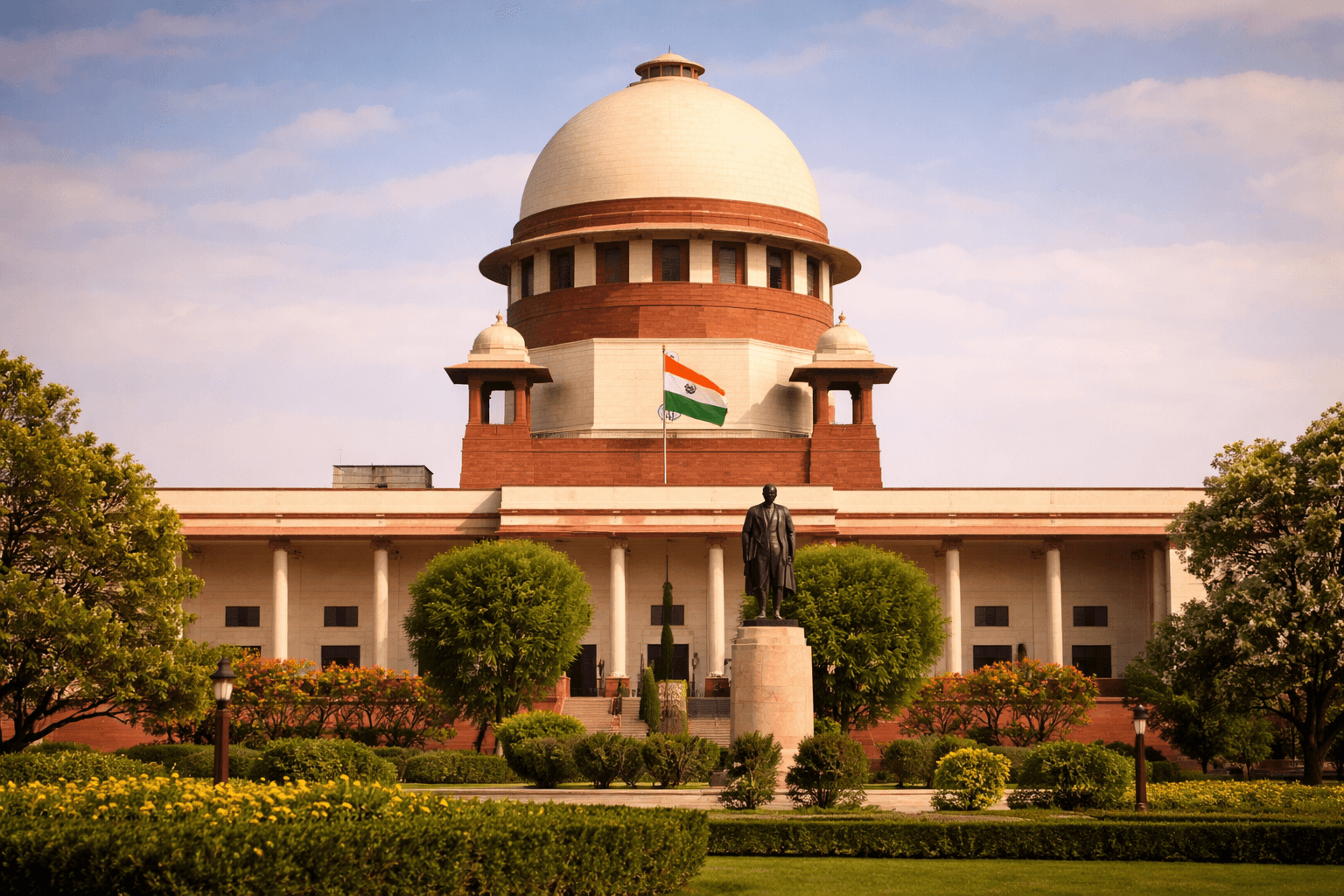
In a landmark judgment that has reignited debates around caste, religion, and constitutional rights, the Supreme Court of India has clarified that only individuals belonging to Hinduism, Sikhism, and Buddhism are eligible for Scheduled Caste (SC) status. This ruling reinforces long-standing legal provisions and carries significant implications for reservation benefits, legal protections, and social identity in India.
The decision stems from a case involving religious conversion and has once again brought into focus the intersection of caste discrimination and religious identity. But why does religion matter in determining SC status? What does the Constitution say? And what does this mean for millions of people in India?
Let’s break it down in detail.
What is Scheduled Caste (SC) Status in India?
Scheduled Castes are communities that have historically faced social discrimination, untouchability, and systemic exclusion in Indian society. To address this inequality, the Indian Constitution provides:
- Reservation in education and government jobs
- Political representation
- Legal protection under the SC/ST (Prevention of Atrocities) Act
SC status is not just a label—it is a constitutional safeguard designed to uplift historically marginalized communities.
The Latest Supreme Court Verdict: Key Highlights
The Supreme Court ruled that:
- Only Hindus, Sikhs, and Buddhists can claim SC status
- Conversion to any other religion (such as Christianity or Islam) results in loss of SC status
- SC benefits, including legal protections, cannot be claimed after conversion
This ruling reaffirms the Constitution (Scheduled Castes) Order, 1950, which explicitly restricts SC recognition based on religion.
The Court emphasized that religion plays a decisive role in determining eligibility, and this rule is “absolute” under the law.
Also Checkout : Delhi Assembly Receives Bomb Threat.
The Case That Led to the Judgment
The ruling originated from a case involving a man from Andhra Pradesh who had:
- Converted to Christianity
- Worked as a pastor for several years
- Filed a complaint under the SC/ST Act alleging caste-based abuse
However, the accused argued that since the complainant had converted to Christianity, he could not claim SC protection.
The Supreme Court agreed, stating that:
- Once a person voluntarily converts and practices another religion, SC benefits cease
- The caste-based protections apply only within certain religious frameworks
This effectively upheld the Andhra Pradesh High Court’s earlier decision.
Why SC Status is Limited to Certain Religions
The key reason lies in the historical context of caste discrimination.
1. Caste System Origin
The caste system is traditionally associated with Hindu society. Over time:
- Sikhism and Buddhism were included due to similar social structures and historical realities
- Other religions like Christianity and Islam are officially considered casteless in doctrine
2. Legal Framework
The Constitution (Scheduled Castes) Order, 1950 clearly states:
No person professing a religion other than Hinduism shall be deemed a member of a Scheduled Caste (later amended to include Sikhs and Buddhists).
3. Judicial Interpretation
Courts have consistently held that:
- SC status is tied to social discrimination within specific religious frameworks
- If a religion does not recognize caste officially, the basis for SC protection weakens
Impact of Religious Conversion on SC Status
The ruling makes one thing clear:
Conversion = Loss of SC Status
If a person converts to:
- Christianity
- Islam
- Any other religion outside Hinduism, Sikhism, Buddhism
They:
- Lose reservation benefits
- Cannot invoke the SC/ST Act
- Are no longer legally recognized as SC
This is because SC identity is legally linked to religion at the time of the incident, not just past identity or caste certificate.
Key Implications of the Verdict
1. Reservation Benefits
Millions of individuals who convert may lose access to:
- Government job quotas
- Educational reservations
- Political representation
2. Legal Protection
Protection under the SC/ST (Prevention of Atrocities) Act will not apply after conversion.
3. Social Identity Crisis
This creates a complex situation where:
- Social discrimination may continue
- But legal protection may not
The Debate: Religion vs Social Reality
The ruling has sparked intense debate across India.
Argument in Favor of the Ruling
Supporters argue:
- SC status is meant for caste-based discrimination rooted in specific religions
- Extending it beyond that could dilute affirmative action policies
Argument Against the Ruling
Critics highlight:
- Caste discrimination continues even after conversion
- Dalit Christians and Dalit Muslims still face social exclusion
- Denying SC status may leave them without protection
This raises a fundamental question:
Should caste-based benefits depend on religion, or on social reality?
Constitutional Perspective
India’s Constitution guarantees:
- Freedom of religion (Article 25)
- Equality before law (Article 14)
However, it also allows affirmative action to uplift disadvantaged groups.
The SC status rule reflects a balancing act between:
- Religious freedom
- Social justice policies
Historical Evolution of SC Status Rules
- 1950: SC status limited to Hindus
- 1956: Extended to Sikhs
- 1990: Extended to Buddhists
Despite multiple demands, it has not been extended to Christians or Muslims.
What Happens If Someone Reverts to Original Religion?
In some cases:
- If a person reconverts to Hinduism, Sikhism, or Buddhism
- And is accepted back into their caste community
They may regain SC status (subject to verification).
However, this is a complex legal and social process.
Impact on Society and Policy
1. Legal Clarity
The ruling removes ambiguity around SC eligibility.
2. Policy Stability
It ensures that reservation policies remain aligned with existing constitutional provisions.
3. Renewed Debate
The decision is likely to:
- Trigger fresh petitions
- Lead to political discussions
- Reopen the question of extending SC benefits
Expert View: A Turning Point?
Many experts believe this ruling could:
- Reinforce the current legal framework
- But also push policymakers to reconsider inclusion criteria
As India evolves socially, the definition of discrimination and identity may also need re-evaluation.
Frequently Asked Questions (FAQs)
1. Who can claim SC status in India?
Only individuals belonging to Hinduism, Sikhism, or Buddhism.
2. What happens if an SC person converts to another religion?
They lose their SC status and related benefits.
3. Can SC status be regained after reconversion?
Possibly, if the person returns to the original religion and caste community accepts them.
4. Why are Christians and Muslims excluded?
Because the Constitution links SC status to religions where caste-based discrimination historically existed.
5. Does discrimination stop after conversion?
Not necessarily, which is why the issue remains controversial.
Checkout our You Tube Channel for latest updates.
Conclusion
The Supreme Court’s ruling on Scheduled Caste status is more than just a legal clarification—it is a reflection of India’s complex relationship with caste, religion, and social justice.
By reaffirming that only Hindus, Sikhs, and Buddhists can claim SC status, the Court has upheld the constitutional framework. However, the ruling also raises deeper questions about whether legal definitions should evolve with changing social realities.
As debates continue, one thing is clear:
The conversation around caste, equality, and identity in India is far from over.