






The Bibi Files Explained
Introduction: Why “The Bibi Files” Is Going Viral
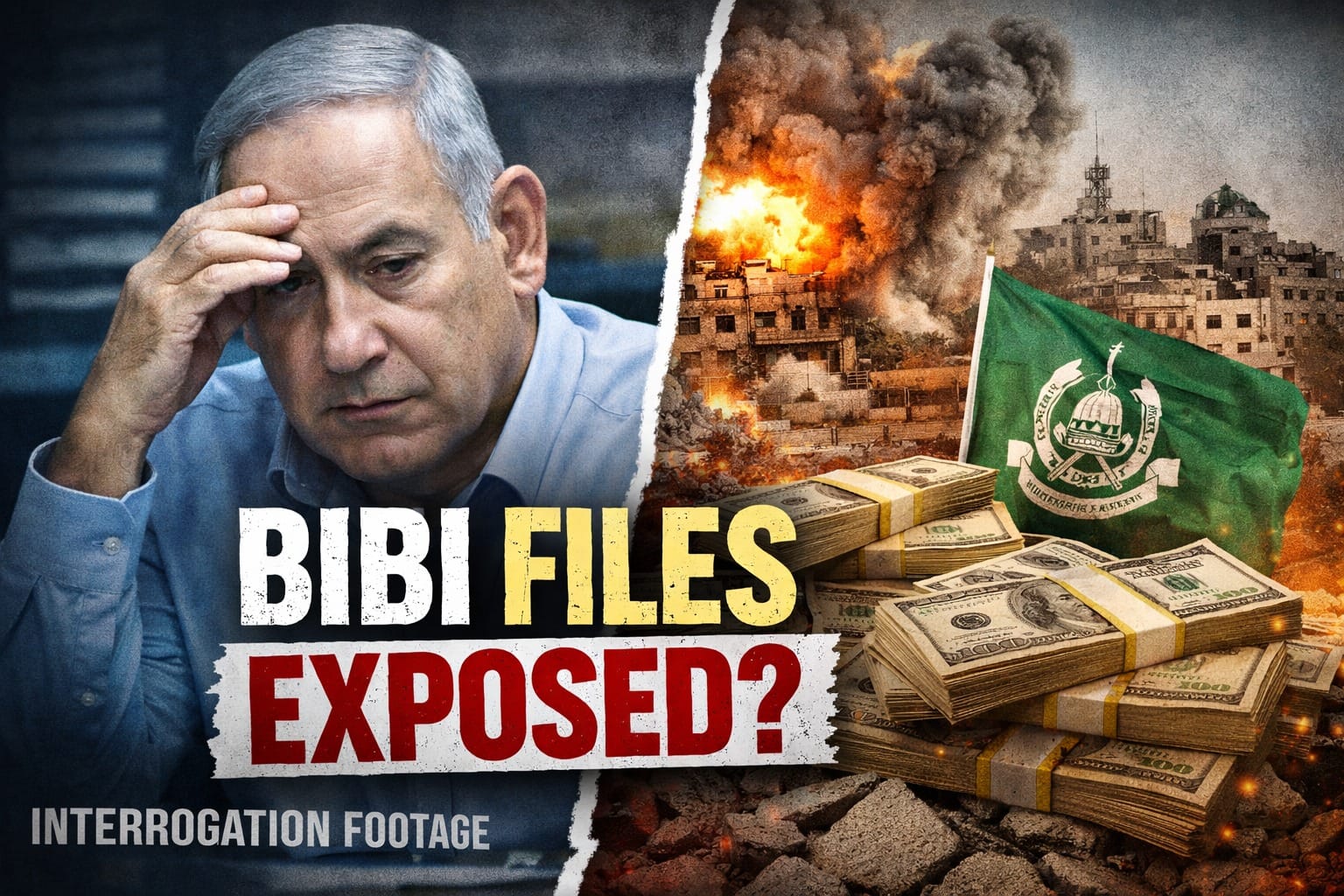
In recent months, The Bibi Files has emerged as one of the most controversial and widely discussed political documentaries globally. Centered on Israeli Prime Minister Benjamin Netanyahu—often referred to as “Bibi”—the film combines leaked interrogation footage, corruption allegations, geopolitical strategies, and controversial funding narratives.
The documentary has gone viral not just because of its content, but because it touches on three explosive themes:
- Allegations of systemic corruption at the highest level of Israeli leadership
- Claims of indirect Hamas funding strategies
- Connections with powerful billionaires like Miriam Adelson and her late husband Sheldon Adelson
But to understand the true impact of The Bibi Files, we need to step back and examine the historical, political, and strategic context behind these claims.
What Is “The Bibi Files”?
The Bibi Files is a 2024 documentary directed by Alexis Bloom and produced by investigative filmmaker Alex Gibney.
Key Highlights:
- Based on over 1,000 hours of leaked Israeli police interrogation footage (2016–2018)
- Focuses on Netanyahu’s corruption trial involving bribery, fraud, and breach of trust
- Includes testimonies from insiders, journalists, and political figures
- Banned from screening in Israel due to privacy laws, yet widely circulated online
The documentary essentially humanizes and exposes Netanyahu under interrogation, presenting a version of the leader rarely seen publicly.
The Core Allegation: Corruption at the Highest Level
The Netanyahu Corruption Cases (Background)
Netanyahu’s legal troubles are not new. The cases—often referred to as Case 1000, 2000, and 4000—include:
- Receiving luxury gifts (cigars, champagne, jewelry) from wealthy businessmen
- Allegedly offering political favors in exchange for media coverage
- Misuse of power for personal and political benefit
According to investigative findings presented in the documentary:
- Netanyahu and his inner circle allegedly maintained close relationships with billionaires and media figures
- These relationships blurred the lines between state power and personal gain
The film portrays these actions as part of a long-standing pattern of political survival tactics rather than isolated incidents.
The Adelson Connection: Power, Money, and Influence
One of the most intriguing elements of the documentary is the mention of ties between Netanyahu and influential donors like Sheldon and Miriam Adelson.
Who Are the Adelsons?
- Billionaire casino magnates and major political donors
- Strong supporters of conservative Israeli policies
- Backers of pro-Israel initiatives globally
Allegations Highlighted:
The documentary and related reports suggest:
- Netanyahu and his family allegedly received expensive gifts from wealthy figures, including those in elite political circles
- These relationships are portrayed as part of a broader system of elite political patronage
However, it’s important to note:
- Receiving gifts is part of the legal case but remains contested in court
- Netanyahu has consistently denied wrongdoing
Also read – Agent Smith Ai Google Explained
The Hamas Funding Narrative: Strategy or Controversy?
Perhaps the most viral and controversial claim tied to The Bibi Files is the allegation that Netanyahu’s policies indirectly enabled Hamas financially.
What the Documentary Suggests
According to the film and supporting reports:
- Israel allowed Qatari funds (approx. $30–35 million per month) to enter Gaza starting around 2018
- The goal was reportedly:
- To maintain stability in Gaza
- Provide humanitarian aid
- Prevent a larger conflict
The Strategic Argument
Some analysts and insiders argue:
- Strengthening Hamas economically could weaken the Palestinian Authority (PA) in the West Bank
- This would prevent a unified Palestinian political front
A controversial quote attributed to Netanyahu’s political approach suggests:
Supporting Hamas could help block a two-state solution by dividing Palestinian leadership
Important Clarification: Direct vs Indirect Funding
It is crucial to separate fact from interpretation:
What is factual:
- Israel permitted Qatari funds into Gaza
- The funds were intended for civilian and humanitarian purposes
- Israeli security agencies monitored distribution
What is debated:
- Whether this policy intentionally strengthened Hamas
- Whether it was a strategic miscalculation or deliberate geopolitical tactic
Netanyahu has denied claims of supporting Hamas, calling such allegations “ridiculous”
The Bigger Strategy: Divide and Control?
The documentary suggests a broader geopolitical strategy:
- Keep Hamas in Gaza
- Keep Palestinian Authority in the West Bank
- Prevent a unified Palestinian state
This approach aligns with a long-standing theory in Middle Eastern politics:
Fragmentation reduces political threat
Critics argue that:
- This policy may have backfired
- It could have indirectly contributed to future instability, including the October 7 attacks
Supporters argue:
- It was a pragmatic strategy to avoid full-scale war
The War Angle: Power, Survival, and Timing
Another major theme in The Bibi Files is the suggestion that:
- Netanyahu’s legal troubles influenced political decisions
- Including:
- Judicial reforms
- Wartime strategies
Some commentators in the documentary claim:
- Prolonged conflict could delay legal proceedings
- Political instability could consolidate power
These claims remain highly contested and politically sensitive.
Why the Documentary Is So Controversial
1. Timing
Released during ongoing conflict in Gaza, making it politically explosive.
2. Content
Uses real interrogation footage, not just commentary.
3. Accessibility
- Banned in Israel
- Yet widely leaked and pirated globally
4. Narrative
Presents a strongly critical perspective of a sitting Prime Minister.
Media and Public Reaction
The documentary has triggered sharp global reactions:
- Critics call it a “damning portrait of political corruption”
- Supporters of Netanyahu argue:
- It is biased
- It ignores broader security challenges
The divide reflects a deeper global polarization around:
- Israel-Palestine politics
- Leadership accountability
- Media influence
Benjamin Netanyahu: The Rise of “Bibi”
To truly understand The Bibi Files, one must understand the man at its center—Benjamin Netanyahu.
Netanyahu is not just another political leader. He is:
- Israel’s longest-serving Prime Minister
- A dominant force in Israeli politics since the 1990s
- A leader known for security-first policies and strategic alliances
Early Career and Political Philosophy
Netanyahu’s rise began with:
- Diplomatic roles in the United States
- Leadership of the Likud party
- A strong stance against terrorism
His core philosophy has remained consistent:
Security over compromise
This stance made him popular among conservative voters but also positioned him as a polarizing figure globally.
The Corruption Cases: A Detailed Breakdown
The documentary revolves heavily around Netanyahu’s ongoing legal battles.
Case 1000: The Gifts Affair
- Netanyahu and his wife Sara allegedly received:
- Cigars
- Champagne
- Jewelry
- Gifts worth hundreds of thousands of dollars
Allegation:
These were not “friendly gifts” but bribes in exchange for political favors.
Defense:
Netanyahu claims they were personal gifts from friends.
Case 2000: Media Manipulation
- Alleged negotiations with a major newspaper publisher
- Deal: Positive coverage in exchange for limiting a rival publication
This case is critical because it connects:
- Political power
- Media influence
- Public perception
Case 4000: The Most Serious Charge
Often considered the strongest case:
- Netanyahu allegedly granted regulatory benefits to a telecom company
- In exchange for favorable media coverage
Key Issue:
This case directly ties policy decisions to personal benefit.
Media Control and Narrative Building
One of the most disturbing themes in The Bibi Files is the idea of narrative engineering.
The Allegation:
- Control media → Shape public opinion → Maintain power
The documentary suggests that:
- Netanyahu’s team worked to influence headlines and public sentiment
- Media became a tool of political survival
Judicial Reforms: Reform or Power Grab?
Another major focus of the broader controversy is Netanyahu’s push for judicial reforms.
What Were the Reforms?
- Limit the power of Israel’s Supreme Court
- Increase political control over judicial appointments
Why It Sparked Protests:
- Critics called it an attempt to:
- Weaken democratic checks and balances
- Protect Netanyahu from legal consequences
Mass protests erupted across Israel, making it one of the largest civil movements in the country’s history.
The War Context: Gaza, Hamas, and Timing
The release and virality of The Bibi Files cannot be separated from the Israel-Gaza conflict.
Key Context:
- Rising tensions with Hamas
- The October 7 attacks
- Ongoing military operations
The Controversial Question:
Did political survival influence wartime decisions?
The documentary hints at:
- Leadership decisions being influenced by legal pressure
- War acting as a political shield
The Hamas Strategy Debate: Revisited
Expanding on Part 1, the Hamas funding narrative is central to the controversy.
Two Competing Interpretations:
1. Strategic Containment Approach
- Allow funds into Gaza to:
- Maintain calm
- Avoid humanitarian collapse
- Prevent larger conflict
2. Divide-and-Rule Strategy
- Strengthen Hamas indirectly
- Weaken Palestinian Authority
- Block a unified Palestinian state
Did the Strategy Backfire?
Critics argue:
- The approach empowered Hamas over time
- It may have contributed to:
- Increased militancy
- Strategic miscalculations
Supporters argue:
- It was the least risky option available
- Alternatives could have led to full-scale war earlier
Global Implications: Why the World Is Watching
The controversy is not limited to Israel.
United States
- Netanyahu has historically strong ties with US political leaders
- Donors like the Adelsons have influenced:
- US-Israel relations
- Policy narratives
Middle East
- The divide between Hamas and the Palestinian Authority impacts:
- Peace negotiations
- Regional alliances
Global Media and Public Opinion
The documentary has amplified:
- Debates on leadership accountability
- Concerns about media manipulation
- Questions about war-time decision making
The Documentary Debate: Truth, Bias, or Narrative?
Like all politically charged documentaries, The Bibi Files has sparked a debate:
Critics Say:
- It is a powerful exposé
- Based on real interrogation footage
- Reveals hidden political truths
Supporters of Netanyahu Say:
- It is selectively edited
- Lacks full context
- Politically motivated
The Role of Leaked Footage
One of the most compelling aspects of the documentary is the use of:
- Raw police interrogation footage
This gives it:
- Authenticity
- Emotional impact
- Viral potential
But it also raises ethical questions:
- Should such footage be public?
- Does it violate legal rights?
Leadership vs Survival: The Core Question
At the heart of The Bibi Files lies a powerful question:
When does leadership turn into self-preservation?
The documentary suggests:
- Political decisions may have been influenced by:
- Legal pressure
- Personal stakes
- Power dynamics
Public Perception: A Divided Audience
The response to Netanyahu globally and domestically is deeply divided:
Support Base:
- Strong on national security
- Experienced leader
- Necessary in times of crisis
Critics:
- Symbol of political corruption
- Risk to democratic institutions
- Strategic miscalculations
The Bigger Picture: Democracy Under Pressure
Beyond Netanyahu, the documentary raises concerns about:
- The fragility of democratic systems
- The role of money in politics
- The power of media narratives
What Makes “The Bibi Files” So Impactful?
- Real Footage – Not just opinions
- Global Context – War, politics, diplomacy
- Human Angle – A leader under pressure
- Timing – Released during conflict
Final Analysis: Strategy, Scandal, or Propaganda?
After examining all angles, three possibilities emerge:
1. Strategic Governance
- Policies were pragmatic
- Focused on national security
- Misunderstood by critics
2. Political Scandal
- Abuse of power
- Corruption and manipulation
- Legal accountability required
3. Narrative Warfare
- Documentary itself is part of:
- Media influence
- Political positioning
Conclusion: Why This Story Matters
The Bibi Files is more than a documentary—it is a mirror into modern political systems.
It forces us to confront uncomfortable realities:
- Power is rarely simple
- Strategy can look like manipulation
- Truth often lies between extremes
Whether you see Netanyahu as:
- A strategic leader
- A controversial figure
- Or a political survivor
One thing is clear:
The story of The Bibi Files is not just about Israel—it is about how power operates in today’s world.
Subscribe to our YouTube Channel The Logic Stick for more video insights