







Introduction
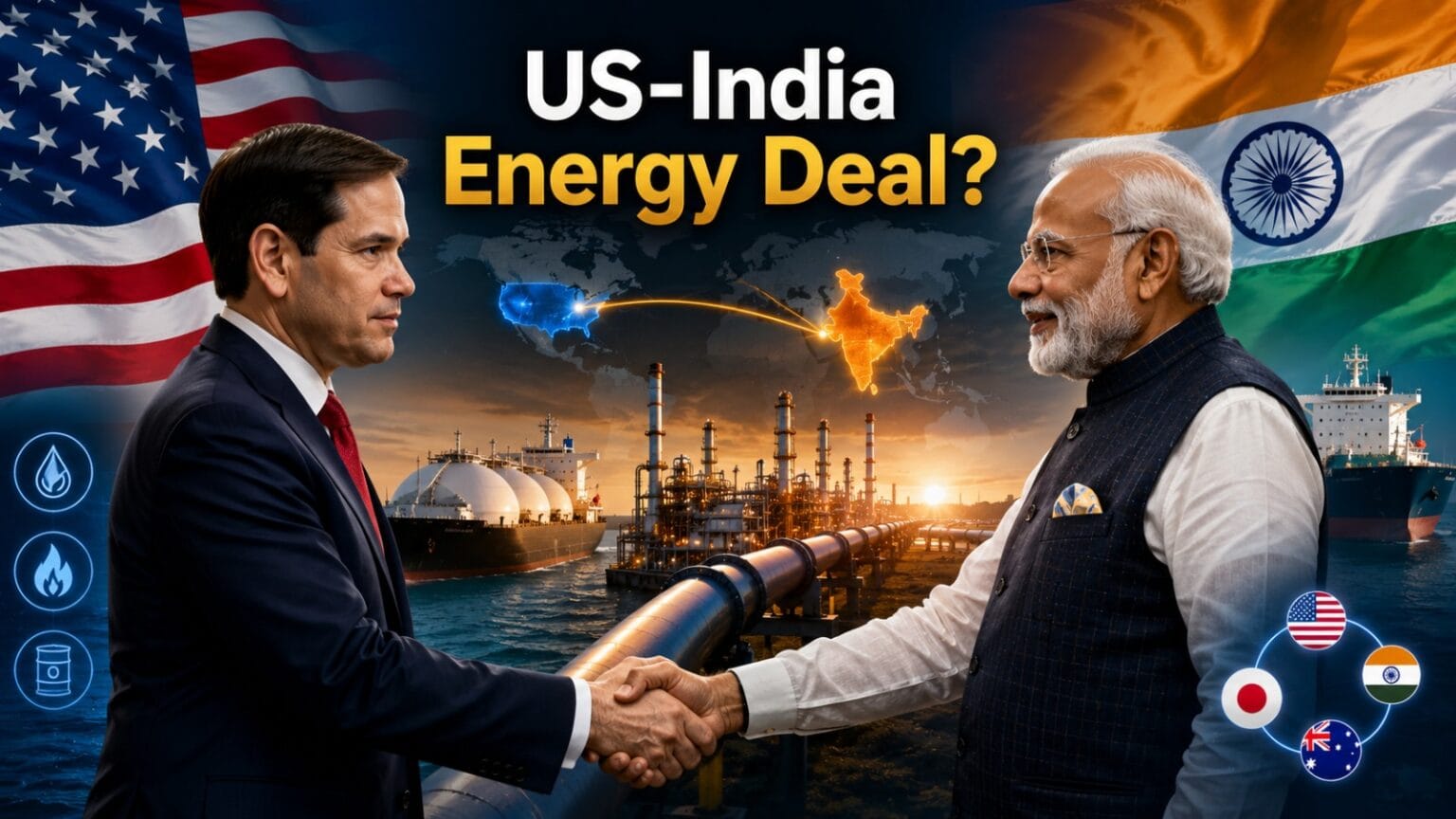
US Secretary of State Marco Rubio is set to visit India from May 23 to May 26, 2026, in what is being seen as one of the most significant diplomatic engagements between New Delhi and Washington this year. The visit comes at a crucial time when global energy markets are under pressure, geopolitical tensions in West Asia continue to disrupt supply chains, and both countries are looking to strengthen cooperation across energy, trade, defence, and Indo-Pacific security.
Ahead of his visit, Rubio made headlines by stating that the United States wants India to become a bigger buyer of American energy exports and that Washington is ready to sell India “as much energy as they’ll buy.” His remarks have sparked discussions about India’s future energy security strategy and the evolving strategic partnership between the world’s oldest and largest democracies.
Why Marco Rubio’s India Visit Matters
Rubio’s four-day visit is expected to focus on several key areas:
- Energy security
- Trade cooperation
- Defence partnerships
- Quad collaboration
- Supply chain resilience
- Indo-Pacific strategy
The trip will include visits to New Delhi, Agra, Jaipur, and Kolkata, making it one of Rubio’s longest overseas engagements since taking office as Secretary of State.
The visit also demonstrates that despite occasional disagreements over tariffs, trade issues, and India’s purchases of Russian oil, both countries remain committed to strengthening long-term strategic ties.
Marco Rubio’s Big Statement on Energy Cooperation
The biggest headline ahead of the visit came when Rubio openly declared that the United States wants India to become a much larger buyer of American energy.
Speaking before departing for India, Rubio said that the US wants to sell India as much energy as possible and expand existing discussions on energy cooperation. He emphasized that India should become a larger part of America’s energy export portfolio.
His comments come at a time when:
- Global oil prices remain elevated
- The Strait of Hormuz faces disruptions
- India’s energy import bill continues to rise
- Countries are actively diversifying energy suppliers
The US sees India as one of the world’s fastest-growing energy markets and an ideal long-term customer for American crude oil, LNG, and LPG exports.
India’s Growing Energy Needs
India is currently the world’s third-largest energy consumer.
The country imports:
- Nearly 85% of its crude oil requirements
- More than 50% of its natural gas requirements
- Significant quantities of LPG
Any disruption in global energy routes can have a direct impact on inflation, transportation costs, industrial production, and economic growth.
The recent geopolitical tensions involving Iran and disruptions in the Strait of Hormuz have highlighted India’s vulnerability to energy supply shocks. Nearly 90% of India’s LPG imports previously moved through this critical shipping route.
This has increased the urgency for India to diversify its energy suppliers.
Why the United States Wants to Sell More Energy to India
The US has emerged as one of the world’s largest producers and exporters of oil and natural gas.
With record levels of domestic production, Washington is actively seeking stable international buyers.
India presents an attractive opportunity because:
Massive Demand Growth
India’s growing population and industrialization continue to drive energy consumption higher every year.
Long-Term Market Potential
Unlike many developed economies transitioning to lower energy demand growth, India’s energy requirements are expected to increase significantly over the next two decades.
Strategic Partnership
Energy trade strengthens broader diplomatic ties between the two countries.
Reduced Dependence on Sensitive Regions
US energy exports can help India reduce overdependence on volatile Middle Eastern supply routes.
Also read – Cockroach Janta Party Explained
Could India Buy More American Oil and Gas?
The possibility is strong.
According to reports, India is already expected to import record volumes of LPG and LNG from the United States this month. This indicates that Washington’s role in India’s energy security is expanding rapidly.
However, challenges remain:
Higher Shipping Costs
US energy shipments travel longer distances than Middle Eastern supplies.
Refinery Compatibility
Many Indian refineries are optimized for heavier crude grades, whereas much of America’s production consists of lighter crude oil.
Pricing Considerations
Indian buyers remain highly sensitive to pricing and transportation costs.
These factors could influence the pace of any long-term shift toward American energy imports.
Quad Meeting: Another Key Focus
Rubio’s India visit is not only about energy.
The trip coincides with an important meeting of the Quadrilateral Security Dialogue (Quad), which includes:
- India
- United States
- Japan
- Australia
The Quad has increasingly become a major platform for cooperation on:
- Maritime security
- Supply chains
- Critical minerals
- Technology
- Cybersecurity
- Indo-Pacific stability
Rubio has highlighted the importance of the Quad and confirmed that meetings with Quad foreign ministers will be a major component of his India visit.
Defence Cooperation on the Agenda
India and the US have steadily expanded defence ties over the past decade.
Areas of cooperation include:
- Joint military exercises
- Defence technology transfers
- Maritime surveillance
- Aerospace collaboration
- Intelligence sharing
Rubio’s visit is expected to further discussions on defence cooperation as both countries seek to strengthen security partnerships in the Indo-Pacific region.
Trade Relations: Can Both Countries Resolve Differences?
Despite strong strategic ties, trade remains a complex issue.
Recent years have seen disagreements over:
- Tariffs
- Market access
- Agricultural imports
- Digital trade
- Indian purchases of Russian oil
However, officials from both sides indicate that negotiations on a broader trade framework are progressing and could lead to greater economic integration.
The United States remains one of India’s largest trading partners, and both countries recognize the economic benefits of deeper commercial engagement.
What This Means for India
Rubio’s visit could have significant implications for India.
Better Energy Security
Diversifying energy imports reduces vulnerability to geopolitical disruptions.
More Investment Opportunities
Stronger economic ties can attract additional investment flows.
Enhanced Defence Capabilities
Expanded defence cooperation can strengthen India’s strategic position.
Stronger Indo-Pacific Partnerships
Closer coordination with Quad partners could improve regional security and supply chain resilience.
What This Means for the United States
For Washington, India represents:
- One of the world’s largest energy markets
- A major democratic partner
- A critical Indo-Pacific ally
- A rapidly growing economy
- An important counterbalance in Asia
Strengthening ties with India aligns with long-term US strategic and economic interests.
Conclusion
Marco Rubio’s India visit is far more than a routine diplomatic engagement. It reflects the growing importance of the US-India relationship at a time when global energy markets, security alliances, and economic partnerships are undergoing significant transformation.
Energy security appears set to dominate discussions, with Washington openly expressing its desire to make India a larger buyer of American oil and gas. Alongside energy, trade negotiations, defence cooperation, and Quad coordination are expected to shape the agenda.
As India continues to emerge as one of the world’s most influential economies, Rubio’s visit could become a defining moment in strengthening one of the most important strategic partnerships of the 21st century.
Subscribe to our YouTube Channel The Logic Stick for more video insights