






India Rafale Deal 2026 Explained: Full Breakdown of 114 Rafale Jets, MTA Aircraft and AEW&C Systems in India’s ₹3.6 Lakh Crore Defence Plan.
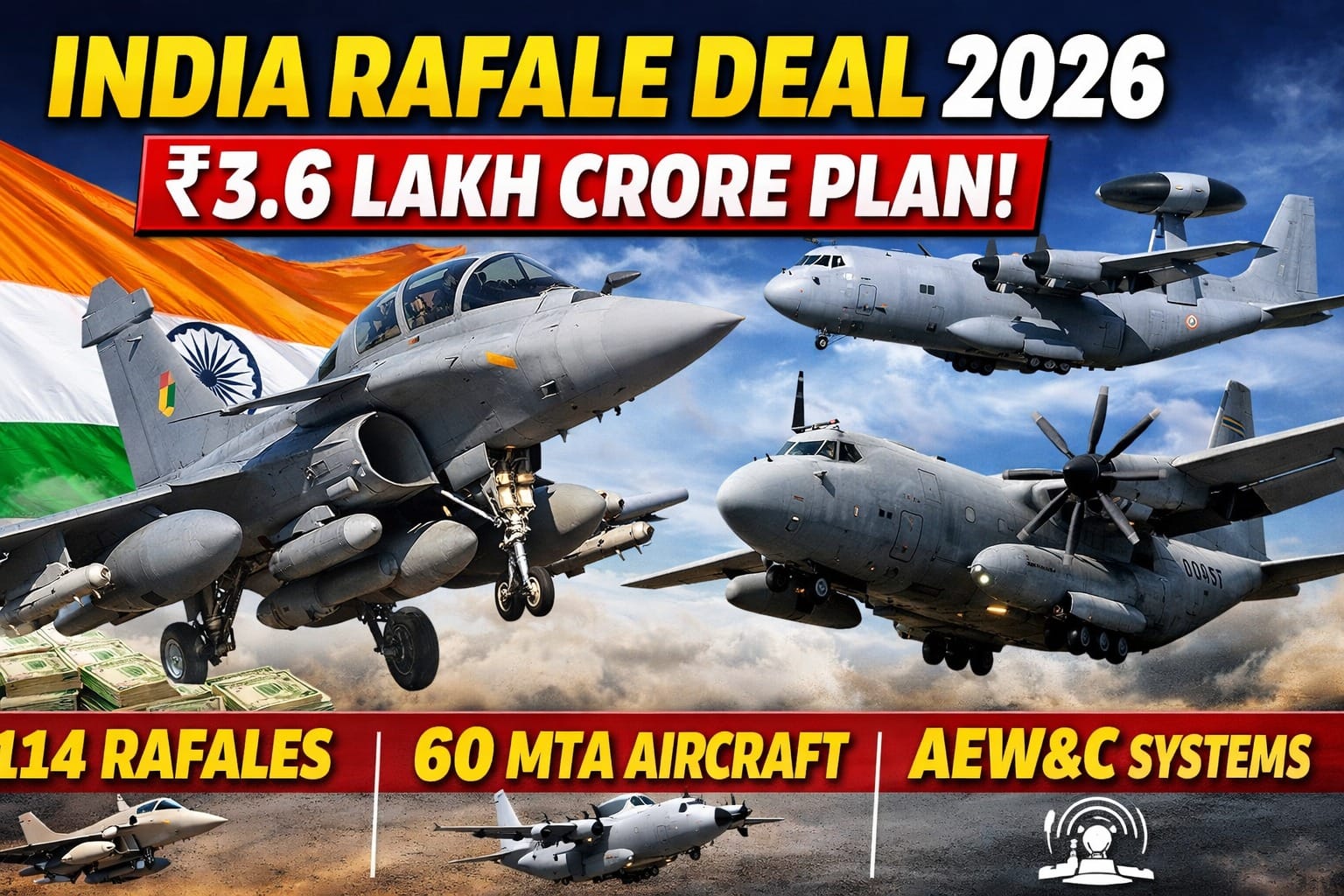
India is on the verge of executing one of the largest military modernization programs in its history, with plans to finalize critical Indian Air Force (IAF) deals in financial year 2026–27. These include the procurement of 114 Rafale fighter jets, up to 60 Medium Transport Aircraft (MTA), and additional Airborne Early Warning & Control (AEW&C) systems, as revealed by the Defence Ministry to a parliamentary panel.
This ambitious plan is part of a broader defence acquisition pipeline valued at approximately ₹3.6 lakh crore ($40 billion), reflecting India’s urgency to modernize its military capabilities amid evolving geopolitical threats.
But this is not just a purchase — it is a complete transformation strategy designed to make India’s air force more powerful, intelligent, and future-ready.
Understanding the Three Pillars of India’s Air Power Strategy
India’s defence plan revolves around three critical components:
1. Rafale Fighter Jets – Offensive Strength
2. Medium Transport Aircraft – Operational Mobility
3. AEW&C Systems – Intelligence & Surveillance
Together, these systems create a network-centric warfare ecosystem, where combat, logistics, and intelligence operate seamlessly.
Also Read : Iran War Latest Updates Here
Rafale Fighter Jets: The Core of India’s Combat Power
The Scale of the Deal
The proposed 114 Rafale jets fall under the MRFA (Multi-Role Fighter Aircraft) program and are expected to cost around ₹3.25 lakh crore, making it one of India’s most expensive defence deals ever.
- 18 jets likely to be delivered in fly-away condition
- 96 jets expected to be manufactured in India
- Includes advanced variants (F4, possibly upgradeable to F5)
Why Rafale Matters
Rafale is not just a fighter jet — it’s a multi-role combat platform capable of:
- Air superiority missions
- Ground strikes with precision weapons like SCALP missiles
- Nuclear deterrence capability
- Beyond-visual-range combat using Meteor missiles
Strategic Impact
India currently operates only 36 Rafales, meaning this deal could:
- Triple India’s advanced fighter fleet
- Replace aging aircraft like MiG-21, Jaguars, and older MiG-29s
- Strengthen India’s position against China and Pakistan
Subscribe to our youtube channel to know more news insights.
The Real Problem: IAF’s Squadron Shortage
One of the biggest drivers behind this deal is the critical shortage of fighter squadrons.
- Required: 42 squadrons
- Current: ~29–31 squadrons
This gap has widened due to:
- Retirement of legacy Soviet-era aircraft
- Delays in indigenous fighter programs
- Rising operational demands on two fronts
Without immediate action, India risks a serious capability gap in air defence.
Medium Transport Aircraft (MTA): The Silent Backbone of War
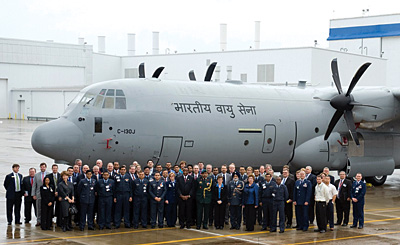
While fighter jets grab headlines, transport aircraft win wars silently.
India plans to acquire up to 60 MTA aircraft to enhance its logistics and mobility capabilities.
Key Roles of MTA
- Rapid troop deployment across borders
- Transport of heavy military equipment
- Humanitarian missions and disaster relief
- Strategic airlift in difficult terrains (Ladakh, Northeast)
Likely Competitors
- Lockheed Martin C-130J Super Hercules
- Embraer KC-390 Millennium
- Airbus A400M Atlas
Strategic Importance
Modern warfare depends heavily on speed and logistics.
These aircraft will enable India to:
- Respond quickly to border tensions
- Maintain supply chains in remote areas
- Strengthen joint operations between Army, Navy, and Air Force
AEW&C Systems: The “Eyes in the Sky”
The third pillar of this upgrade is the acquisition of additional AEW&C systems.
What AEW&C Does
- Detect enemy aircraft and missiles
- Provide real-time battlefield intelligence
- Coordinate air defence operations
- Act as airborne command centers
Why India Needs More
India currently has limited AEW&C coverage, which impacts:
- Early threat detection
- Situational awareness
- Real-time combat coordination
Adding more AEW&C systems will transform the IAF into a data-driven, intelligence-led force.
The ₹3.6 Lakh Crore Vision: More Than Just Buying Weapons
India’s defence acquisition push is not random — it is part of a long-term strategic vision.
Key Objectives
1. Build a Network-Centric Warfare System
- Integration of fighters, radar, satellites, and drones
- Real-time decision-making in combat
2. Strengthen “Make in India” Defence Manufacturing
- Majority of Rafales to be produced domestically
- Partnerships with Indian companies
- Technology transfer and job creation
3. Reduce Import Dependency
India has historically relied on foreign defence imports. This plan aims to:
- Build domestic aerospace capabilities
- Create long-term self-reliance
Why This Upgrade Is Happening Now
1. Rising Threat from China
China has rapidly modernized its air force, deploying advanced fighter jets near Indian borders.
2. Pakistan’s Military Collaboration
Pakistan continues to upgrade its fleet with Chinese support, including JF-17 fighters.
3. Two-Front War Preparedness
India must be prepared for simultaneous conflict scenarios, making air superiority critical.
The Procurement Process: Why It Takes Time
Defence deals of this scale are complex and go through multiple stages:
- Acceptance of Necessity (AoN)
- Request for Proposal (RFP)
- Technical evaluation and trials
- Cost negotiations
- Final approval by Cabinet Committee on Security
This is why the timeline is set for 2026–27, not immediate execution.
Challenges That Could Impact the Plan
Despite its ambition, the plan faces several challenges:
1. Budget Constraints
- ₹3.6 lakh crore is a massive investment
- Competes with other national priorities
2. Delays in Indigenous Programs
- Tejas Mk1A deliveries delayed due to engine issues
3. Complex Negotiations
- Technology transfer agreements
- Pricing and customization
4. Execution Risks
- Past defence deals have seen delays
- Coordination between global and local partners
The Future of the Indian Air Force
India is aiming to transform the IAF into a next-generation air force by 2035.
Key Future Goals
- Achieve 42 squadron strength
- Deploy advanced drones and UCAVs
- Integrate space-based surveillance systems
- Transition toward multi-domain warfare (air + space + cyber)
The Big Picture: What This Means for India
This mega defence plan signals a major shift in India’s military doctrine.
India is moving towards:
- Faster response capabilities
- Smarter, data-driven warfare
- Greater self-reliance in defence manufacturing
- Stronger deterrence against adversaries
Conclusion: A Turning Point in India’s Defence Strategy
India’s plan to acquire 114 Rafale jets, 60 transport aircraft, and AEW&C systems is not just about strengthening the air force — it’s about redefining how India fights future wars.
Final Strategic Breakdown
- Rafale = Combat Power & Air Dominance
- MTA = Mobility & Logistics Strength
- AEW&C = Intelligence & Control
Together, they form a complete air warfare ecosystem.
If executed successfully, this plan could position India among the most advanced air powers in the world by the next decade.